

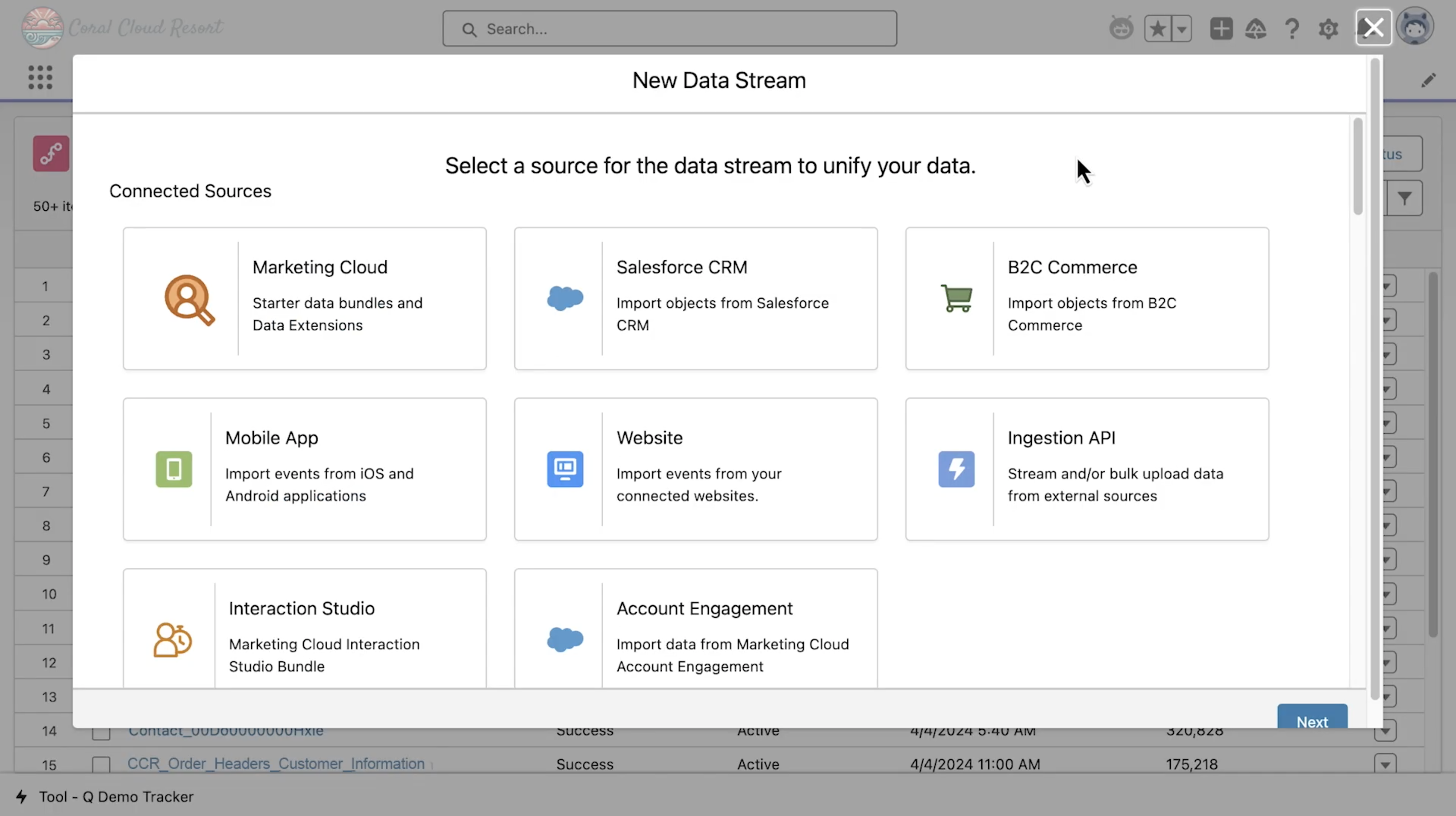
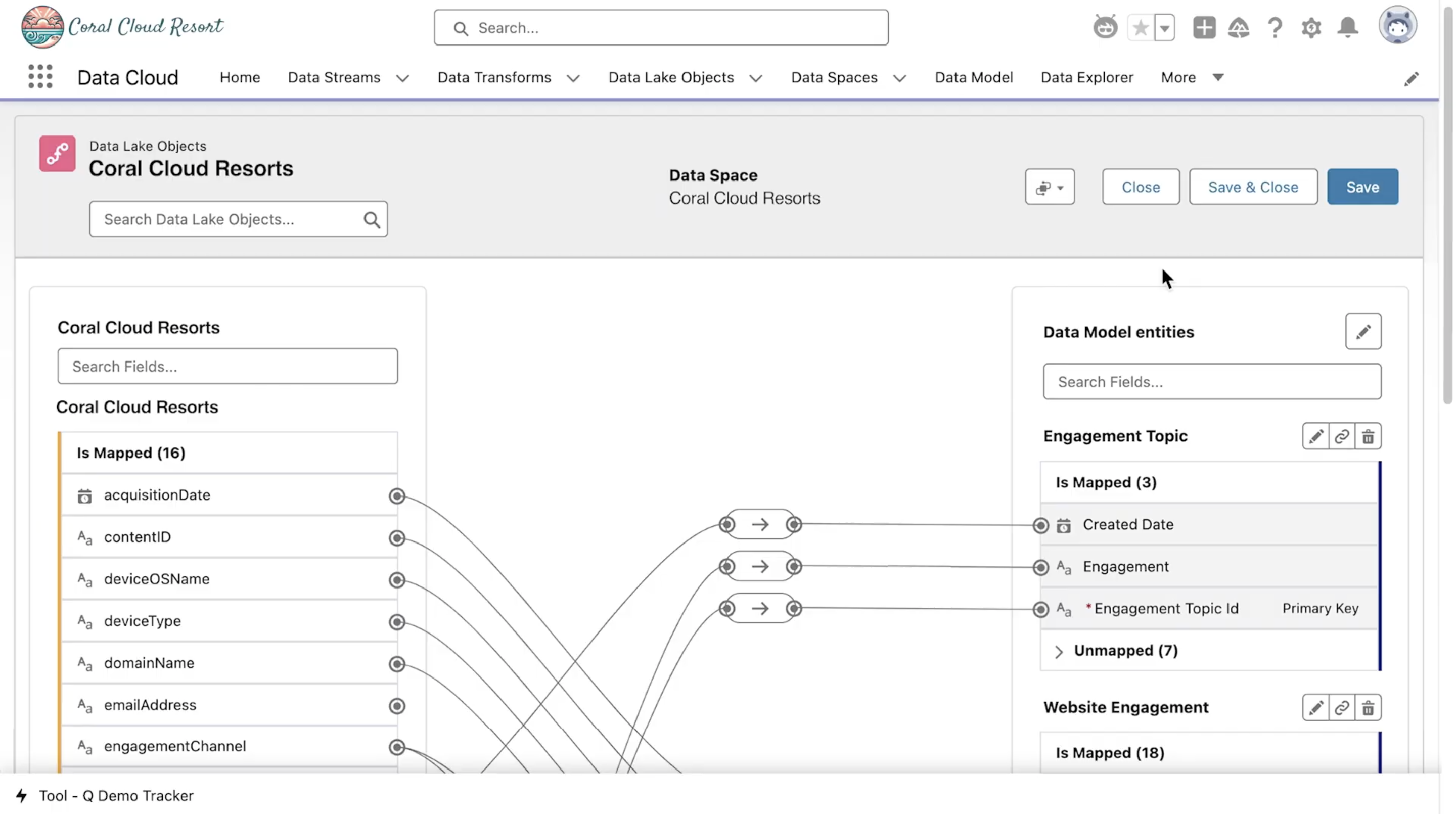
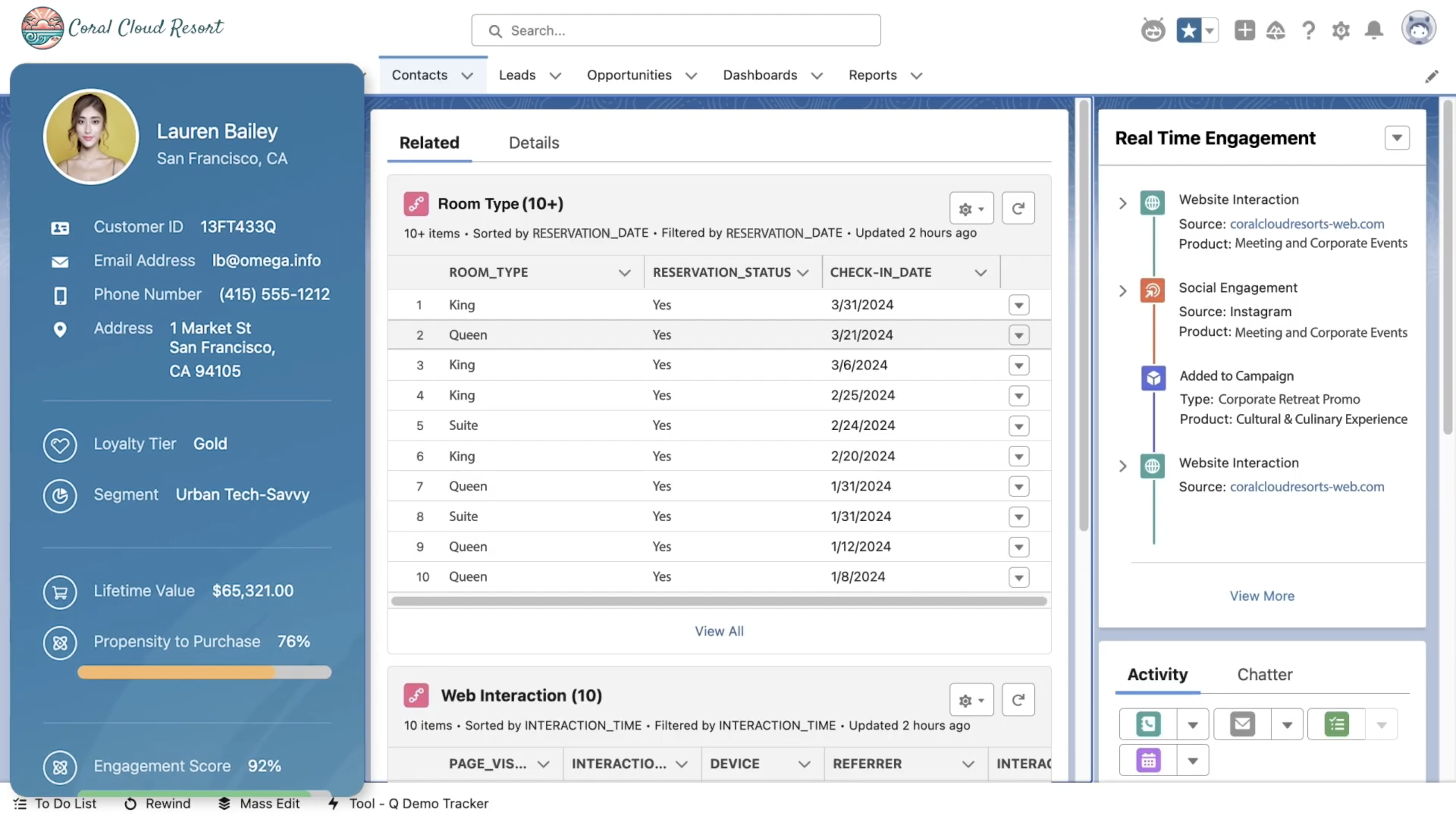


What I like best about Salesforce Data 360 (formerly Data Cloud) is its ability to unify and activate customer data in real time across the entire Salesforce ecosystem. It brings together data from multiple sources—CRM, external platforms, and transactional systems—into a single, harmonized customer profile. This eliminates data silos and provides a true 360-degree view of the customer, which is incredibly powerful for both decision-making and personalization.
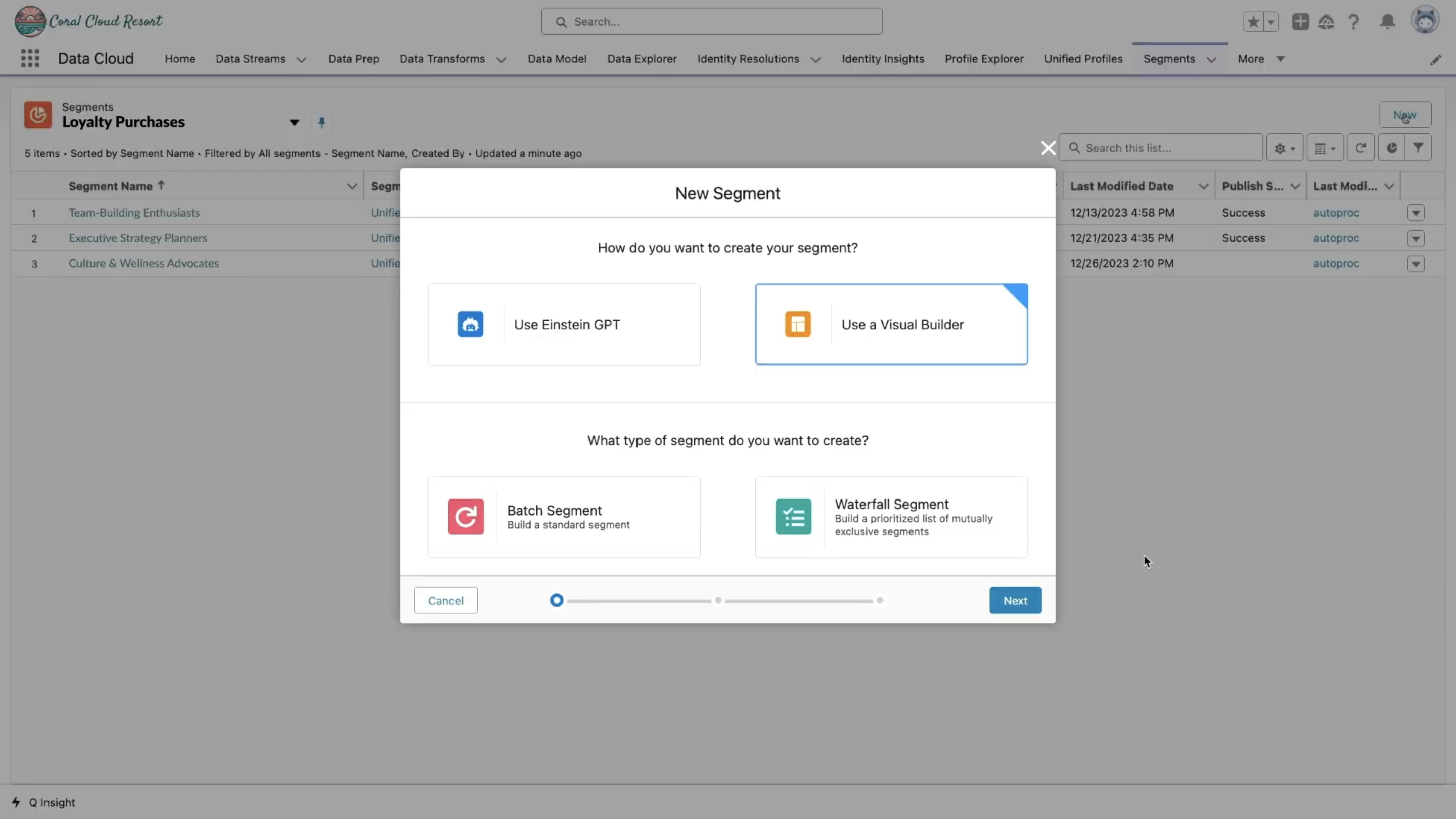
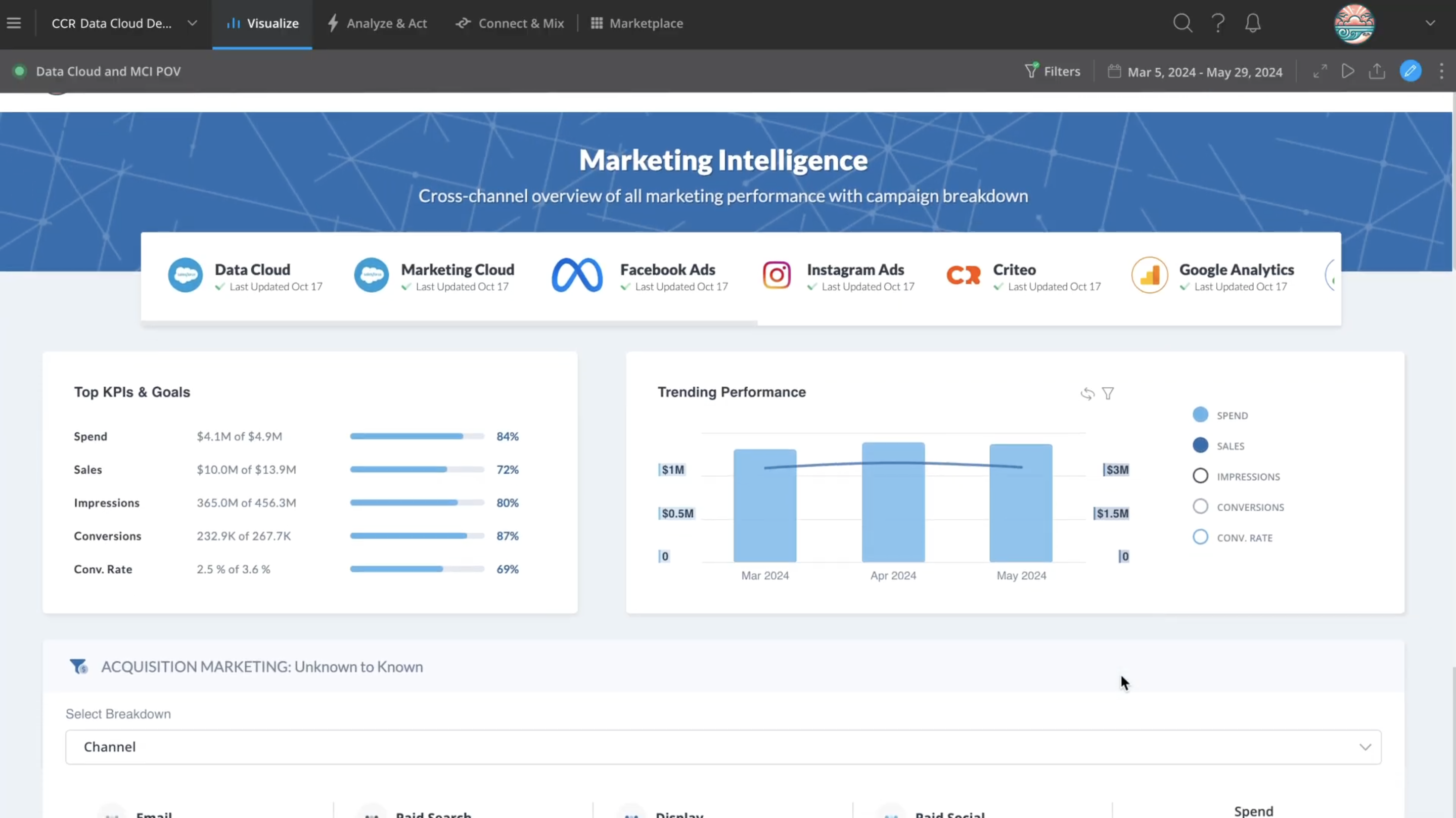
What stands out is how quickly this data becomes actionable. Instead of just storing information, Data 360 enables real-time segmentation, automation, and AI-driven insights that can be used instantly across marketing, sales, and service. For me, this means more accurate targeting, better customer experiences, and faster time to value. It also reduces the dependency on complex data pipelines, making it easier to scale data-driven strategies efficiently and confidently. Review collected by and hosted on G2.com.
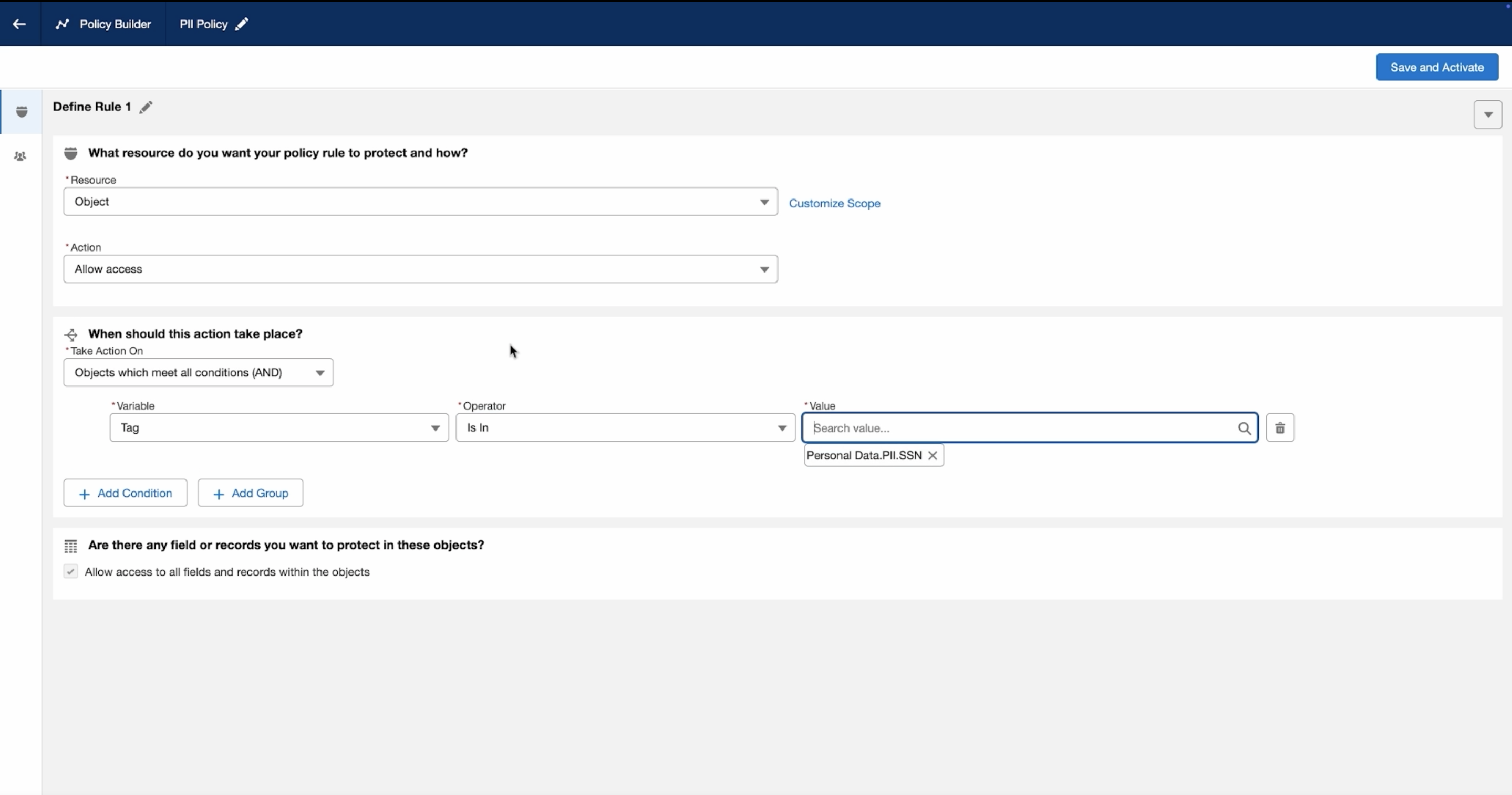
What I dislike about Salesforce Data 360 (formerly Data Cloud) is that, despite its powerful capabilities, it can be complex to implement and manage. Setting up data streams, identity resolution, and data models often requires a strong understanding of both Salesforce architecture and data engineering concepts, which can create a steep learning curve. For teams without dedicated expertise, this can slow adoption and delay value realization.
Another challenge is cost. Data Cloud can become expensive as data volume grows, especially when ingesting large datasets or enabling multiple use cases across teams. This makes it important to carefully plan usage and governance.
Additionally, while it promises real-time capabilities, achieving true real-time performance can sometimes depend on how well the data pipelines are configured. Overall, while it is a powerful platform, it requires thoughtful planning, expertise, and investment to fully leverage its potential. Review collected by and hosted on G2.com.