What do you like best about ServiceNow IT Service Management?
This is the definitive, high-depth version of your "What I Like Best" review. It seamlessly integrates Customer Support as a pillar of the platform's cloud-first success, framing it alongside the technical ecosystem of CSDM, Impact, and the CTA-led practice.
What I like best about ServiceNow IT Service Management is that it is not merely a workflow tool but a unified System of Action anchored by the Common Service Data Model (CSDM) framework. This structural foundation provides full visibility of all components in a business context, mapping every layer from high-level business services down to the specific Configuration Item (CI). The CMDB is the heart of the ServiceNow platform, serving as a single source of truth that allows the organization to understand the interconnectedness of its technical infrastructure and business value.
The experience is further elevated by ServiceNow’s phenomenal Customer Support and cloud-first infrastructure. Because the platform is well-documented and hosted in a transparent cloud environment, users benefit from exceptionally fast response times and standardized best practices that flatten the learning curve. For enterprises seeking to guarantee long-term ROI, higher-tier offerings like ServiceNow Impact provide a structured framework for ensuring customer success by aligning technical support directly with strategic business outcomes. However, to fully capitalize on this, the existence of a CTA (Certified Technical Architect) is necessary to act as a platform lighthouse, ensuring that the guidance provided by ServiceNow support is implemented without creating process debt.
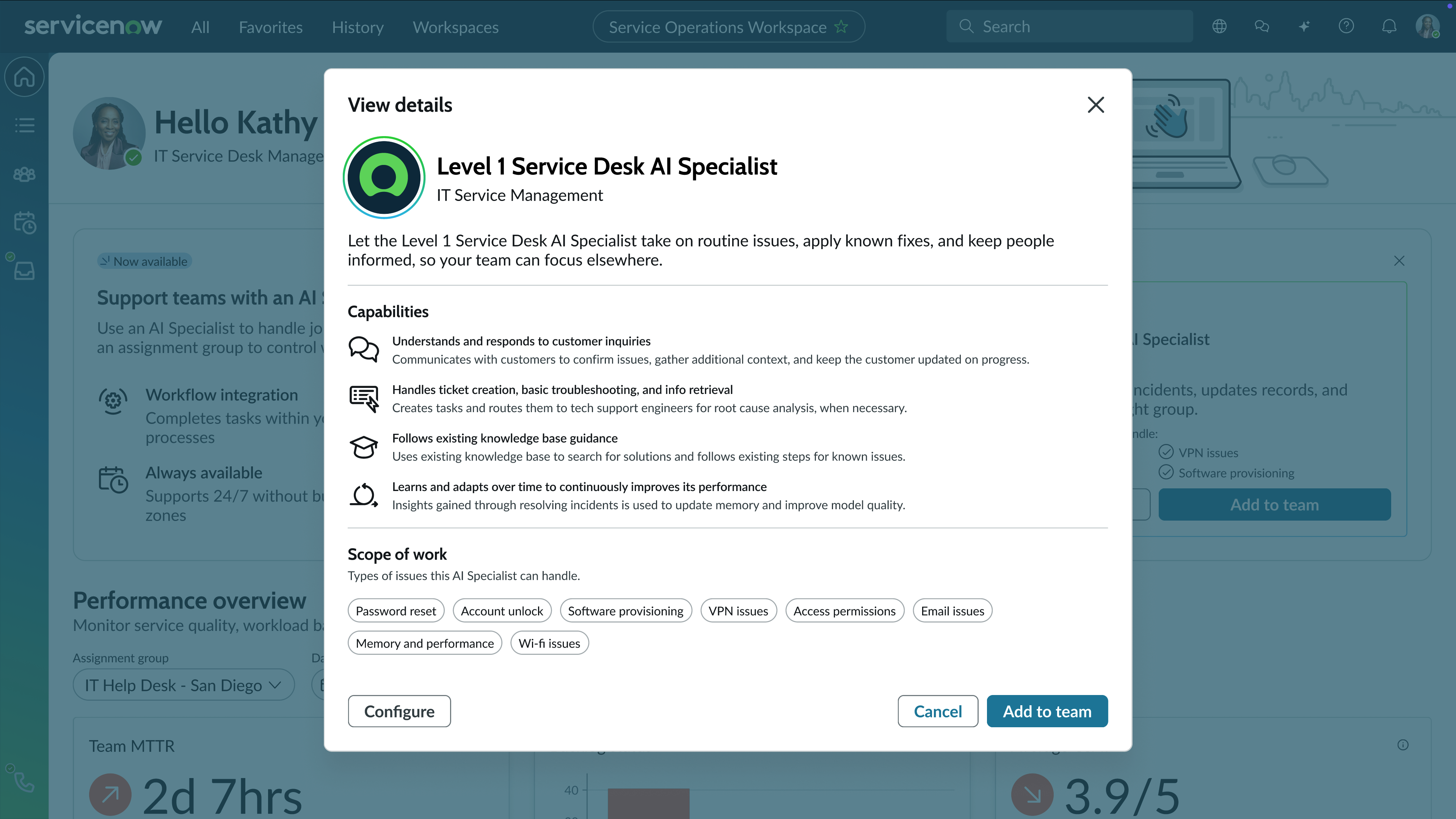
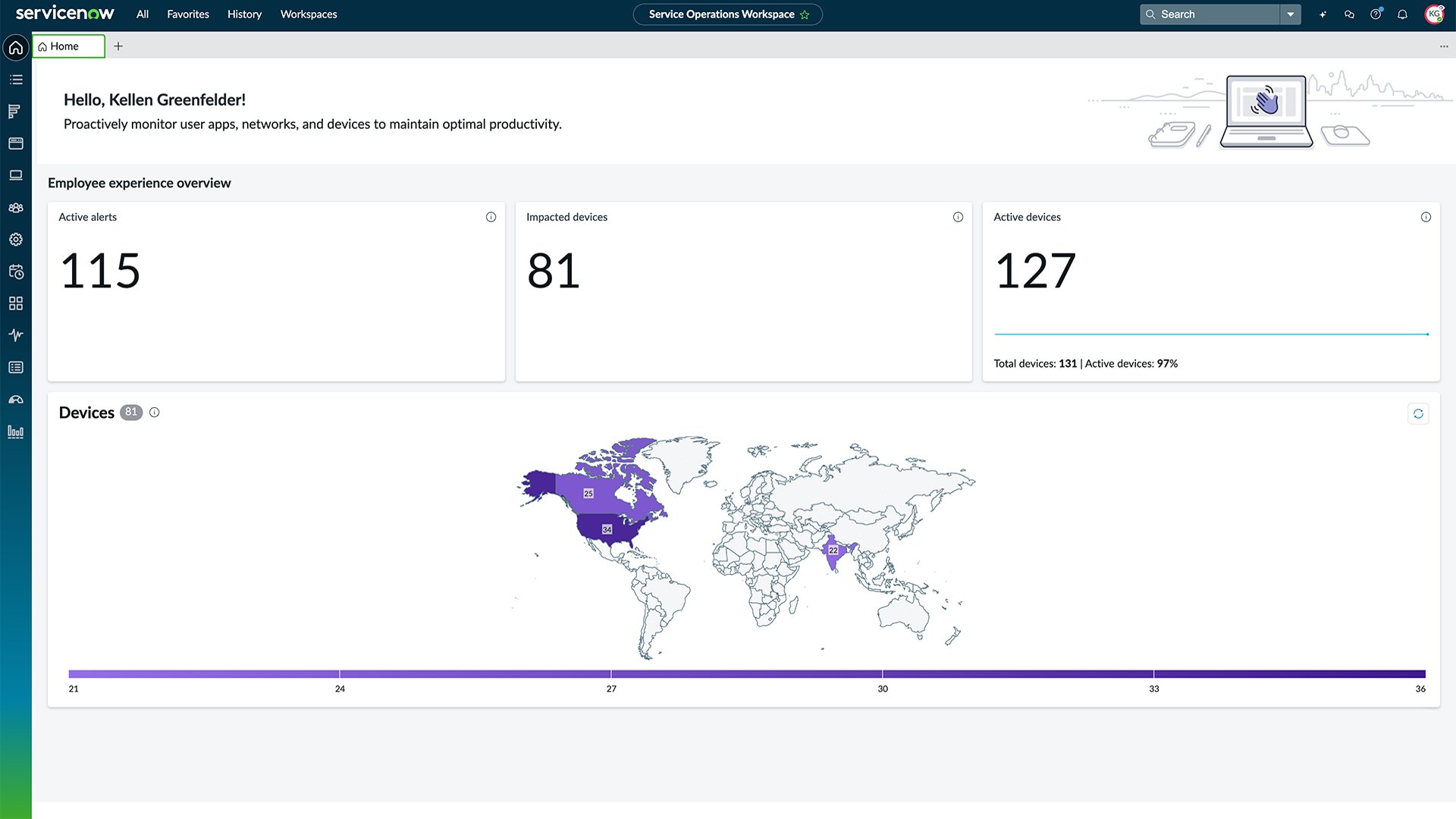
This visibility transforms the Service Operations Workspace (SOW) into a mission control center where different personas operate with unprecedented clarity. For Level 1 Service Desk agents, the triage process is streamlined through Machine Learning and the arrival of Generative AI via the Now Assist panel, which surfaces Recommended Actions, incident summarization, and relevant Knowledge Articles directly within the record. The workspace immediately identifies the user's impacted assets and active outages, allowing agents to manage Service Level Agreements (SLAs) with precision using Playbooks and OTB ITSM AI skills that provide step-by-step guidance for both proactive and reactive service delivery.
The platform truly shines through the "Better Together" story of ITSM and ITOM. By integrating IT Operations Management, the CMDB is automatically populated and updated via Discovery and Service Mapping, ensuring that the service context is always accurate. This synergy allows for AIOps capabilities where monitoring tools like Dynatrace and Zabbix feed alerts into the platform that are automatically correlated into actionable incidents before a user even reports an issue. As an incident progresses to Level 2 and Level 3 technical specialists, this combined power ensures they are managing a component within its full operational environment. Level 2 teams leverage dependency views to see upstream business impacts, while Level 3 engineers can instantly correlate current failures with recent Change Management history records attached to the CI.
The platform’s robust integration capabilities, powered by Integration Hub and its extensive library of spokes, allow for seamless Change automation through tools like Terraform for infrastructure as code. Deep hooks into Azure Active Directory and Microsoft Intune ensure that identity and device management are synchronized, while secure access is maintained via enterprise-grade SSO. For high-impact outages, the Out of the Box (OTB) Major Incident Management workbench enables seamless coordination between stakeholders. This high-performance environment is further optimized by Advanced Work Assignment (AWA) and integrated On-Call Scheduling, which automates the routing of complex tasks based on live shift rotations.
Regarding Frequency of Use, the platform's value is realized through the daily adoption of these OTB best practices, which standardizes digital transformation across the enterprise. The integration of the CMDB with the Service Operations Workspace, supported by SLA Dashboards that track Service Level Objectives (SLOs) and Service Level Indicators (SLIs), ensures that the platform remains the most robust solution for managing the entire lifecycle of a service from design to retirement.
In summary, ServiceNow ITSM excels by centralizing the CMDB as the platform's core, enabling a seamless transition from Level 1 triage to Level 3 expert resolution through automated On-Call Scheduling and Now Assist Generative AI. By leveraging the Better Together synergy of ITSM and ITOM, robust Integration Hub spokes for Dynatrace and Terraform, and the ServiceNow Impact support framework, the platform ensures high ROI, enterprise scale, and consistent SLA attainment while delivering a world-class service practice supported by a comprehensive Onboarding ecosystem. Review collected by and hosted on G2.com.
What do you dislike about ServiceNow IT Service Management?
While ServiceNow ITSM is a powerhouse of capability, the primary challenge regarding Ease of Use is that it is not a "common" tool in the traditional sense; rather, it is a platform designed to bring a specific Service Management practice to life. For experienced ITSM end users, the transition requires more than just learning a new interface; it requires the adoption of a new operational philosophy centered on the Common Service Data Model (CSDM). This shift often creates a steep learning curve because the UI/UX complexity of the backend management demands a high level of data discipline that legacy tools rarely enforced.
Regarding Frequency of Use, the platform’s value is directly tied to a daily familiarity with Out of the Box (OTB) best practices. Because ServiceNow is bringing in an entirely new operational practice rather than just replacing a tool, high frequency of use is required for staff to adopt the necessary data discipline.
However, this familiarity can only be achieved if the Ease of Implementation is addressed through expert governance.
The existence of a Certified Technical Architect (CTA) is absolutely necessary to act as a platform lighthouse. The platform’s greatest strength is its ability to scale, but this is only achievable if the organization treats the implementation as a practice led transformation rather than a simple software deployment. Without a CTA to ensure that OTB best practices are implemented from day one, the CMDB which should be the heart of the platform quickly becomes a cluttered repository of incomplete data.
This lack of architectural leadership undermines the practice and makes it difficult for Level 1 or Level 2 agents to perform effective triage, regardless of the Frequency of Use. Without enforced discipline and expert governance, organizations fall into the trap of over customization, creating a technical debt that complicates the Onboarding of new staff who struggle to find a single source of truth. Ultimately, the ROI is heavily dependent on this initial investment in human capital and architectural integrity to prevent the instance from becoming a complex, unmanaged black box. Review collected by and hosted on G2.com.