Ressources Logiciel de surveillance
ArticlesetDiscussions pour approfondir vos connaissances sur Logiciel de surveillance
Les pages de ressources sont conçues pour vous donner une vue d'ensemble des informations que nous avons sur des catégories spécifiques. Vous trouverez articles de nos expertsetdiscussions d'utilisateurs comme vous.
Articles Logiciel de surveillance
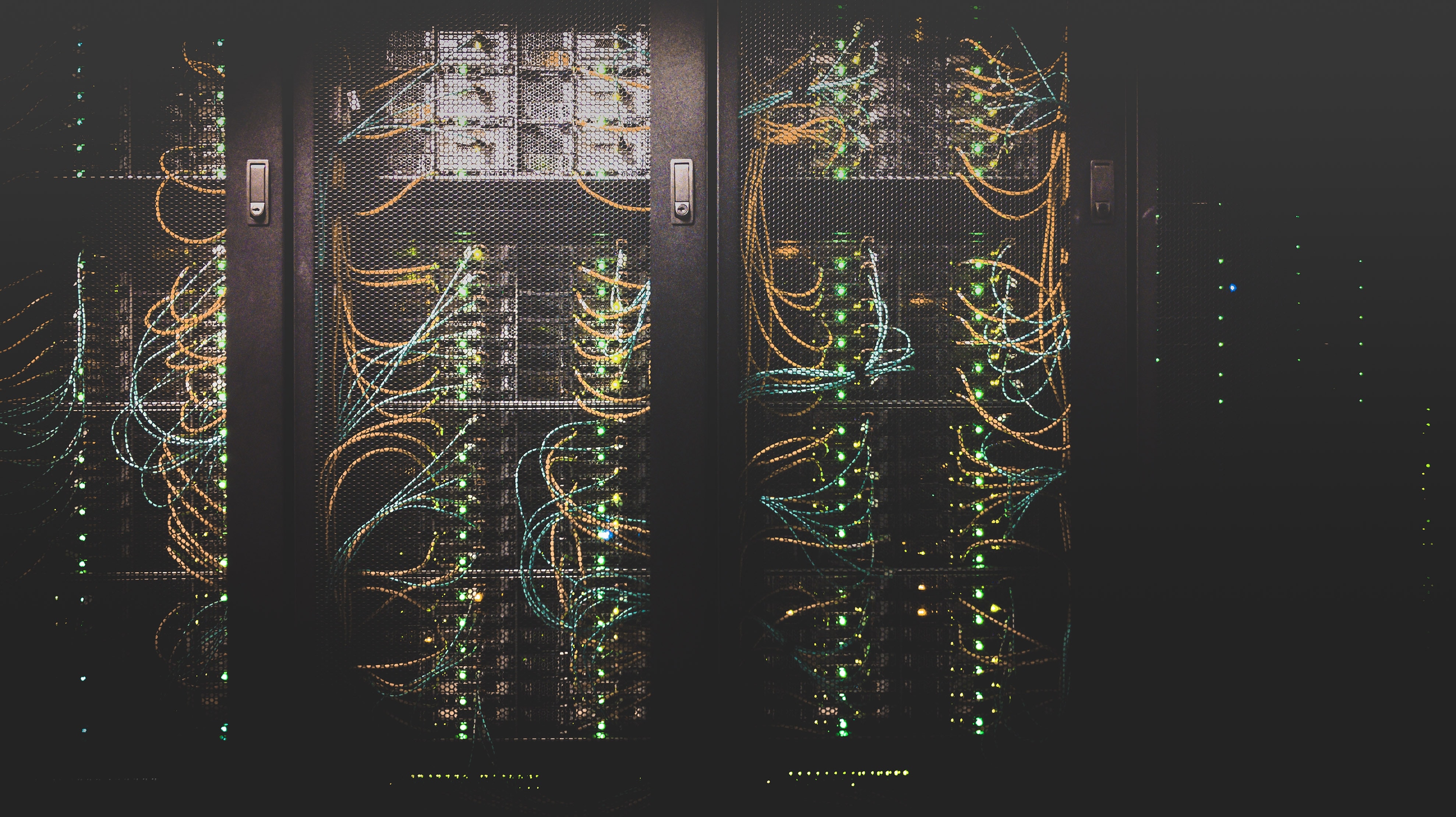
Sauver les entreprises des perturbations informatiques grâce à la surveillance des serveurs
Discussions Logiciel de surveillance
We have started using Monitask in my company few months ago and now we are totally up to the basic use cases. What I'm hoping to find out is how others are using this or similar features within their workflows. How do you use Monitask other than for tracking time and activity? Any high-level functionality, fun use cases or automation tips would be very much appreciated. I would just like to ensure we are getting the best ROI from the platform.
I’m researching this for a few SRE and IT ops teams that want faster incident detection without relying solely on manual thresholds. To narrow the list, I reviewed G2 data in the Enterprise Monitoring Software category and focused on platforms known for automation and anomaly detection. Sharing this here for anyone tackling alert fatigue.
Here are the top tools:
- Datadog — Best for automated incident detection using metrics, logs, and traces together.
- Dynatrace — Best for AI-driven incident detection and root-cause analysis.
- LogicMonitor — Best for proactive alerting across infrastructure and cloud services.
- Paessler PRTG — Best for rule-based automated alerts in enterprise environments.
- OpManager — Best for automated detection in network-centric environments.
Anyone relying on these for incident detection? How accurate are the alerts in practice?
What’s been more valuable for you — anomaly detection or solid baseline thresholds?

