What problems is Zendesk for Customer Service - AC solving and how is that benefiting you?
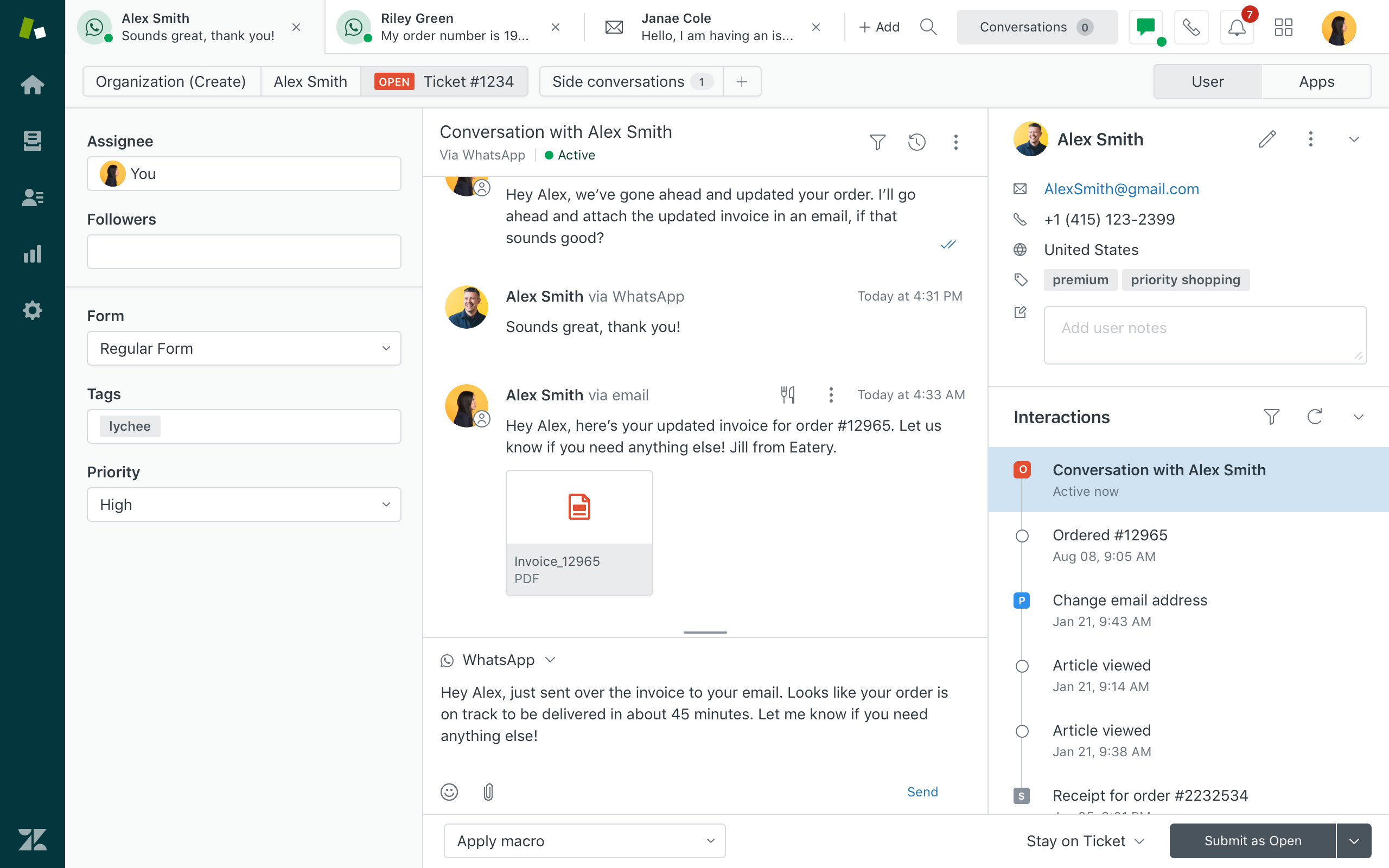
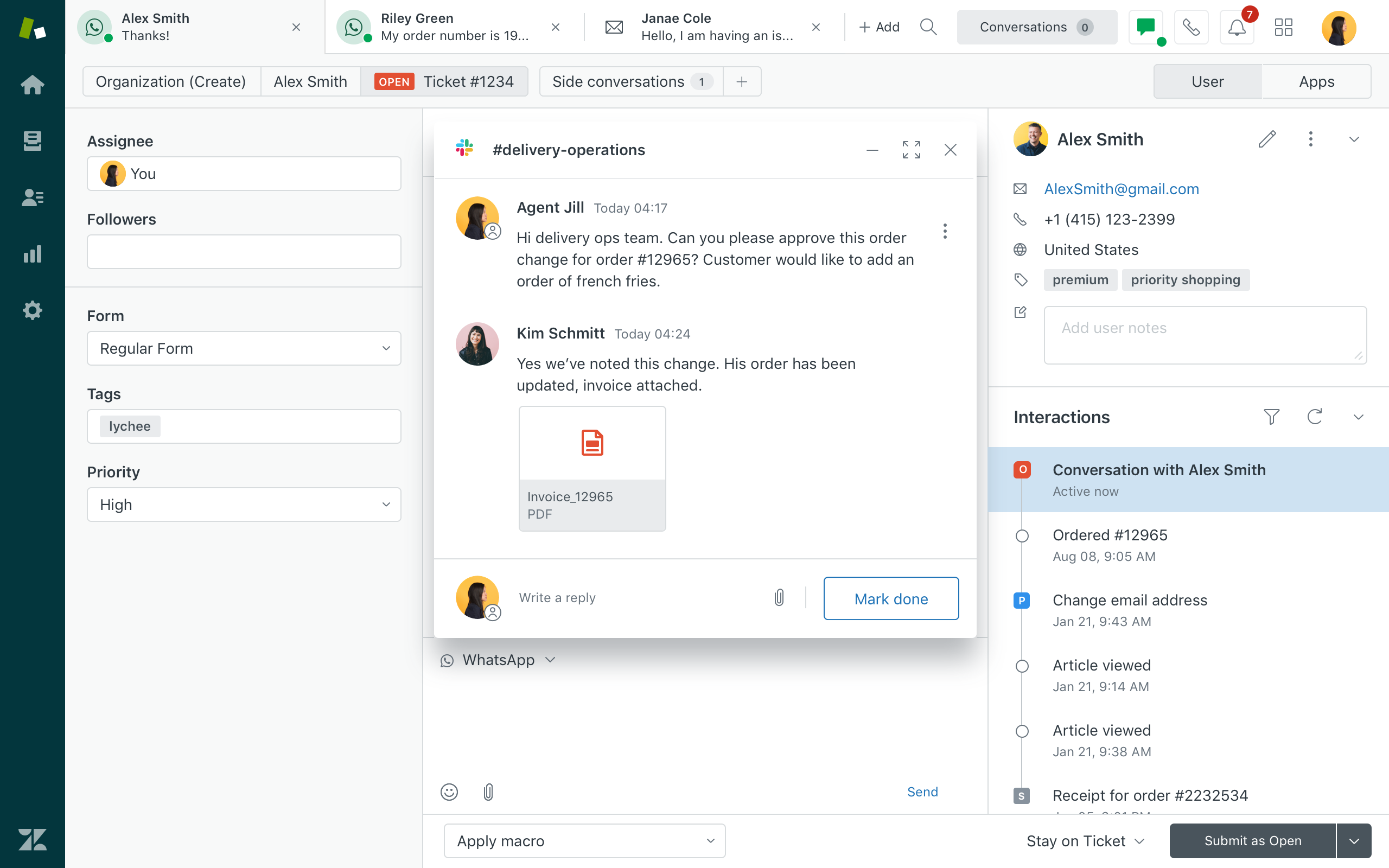
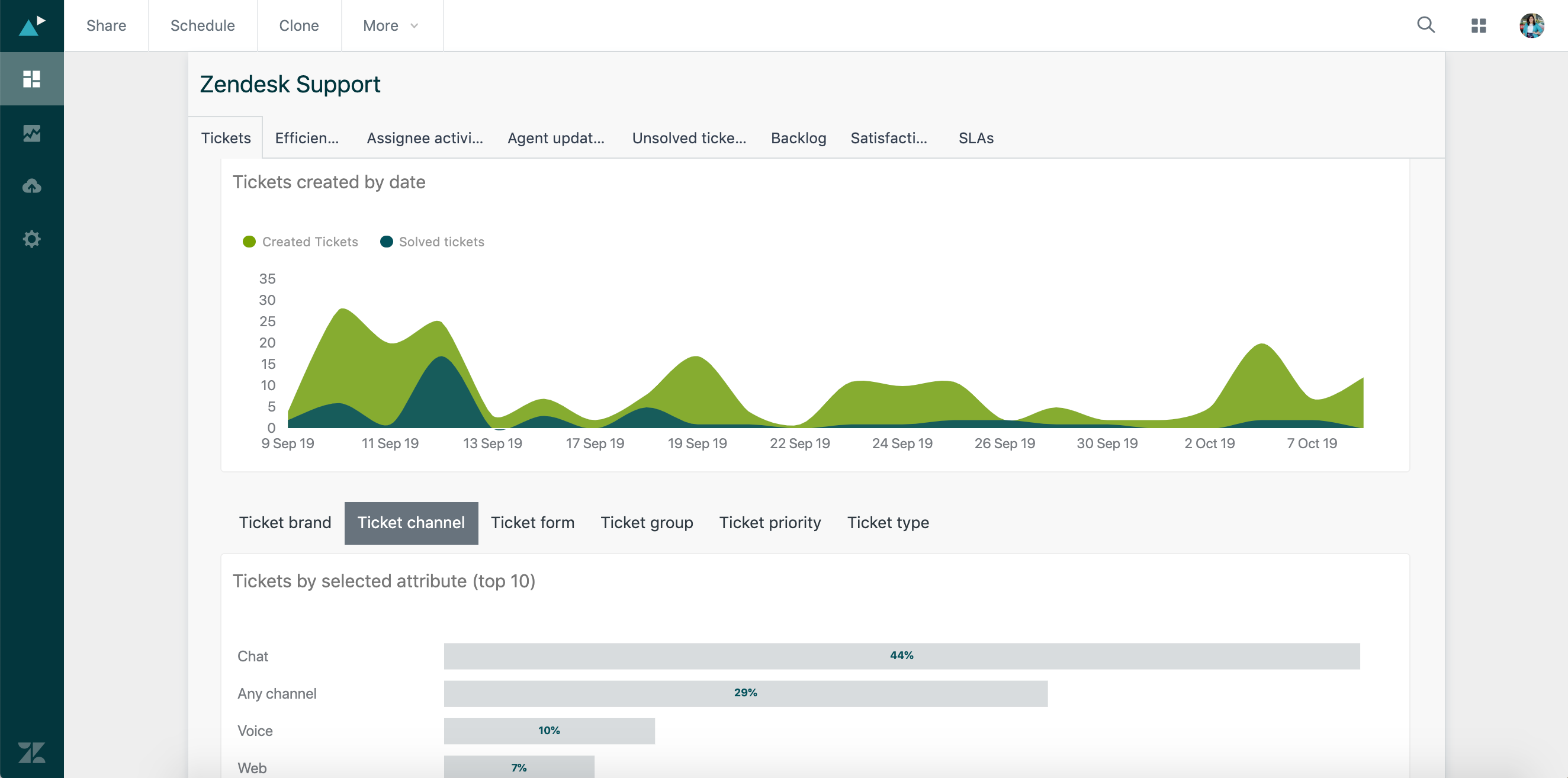
Zendesk for customer service solves the problem of chaotic and unscalable customer support. Without a dedicated system, customer messages come from everywhere—emails, contact forms, and chats—and it becomes impossible to track who responded, what was promised, or what is still pending. Zendesk centralizes all communication into structured tickets, which bring order to the chaos. It also solves the problem of missed or delayed responses. With SLA automations and priority rules, tickets are handled on time. This directly improves customer satisfaction and reduces frustration on both sides. From a backend developer perspective, Zendesk helps bridge the gap between support and engineering. Tickets can be enriched with logs, user IDs, metadata, and links to internal systems. This makes debugging real customer issues much faster and more accurate. Another big benefit is visibility and accountability. I can clearly see ticket volume, response time, backlog, and team performance. It helps make better decisions about staffing, product improvements, and system stability. Zendesk also reduces context switching. Support teams don't need to jump between tools, and developers don't need to chase information. Everything related to an issue lives in one place. It improves customer communication quality. Canned responses, macros, and templates ensure consistent and clear replies even when multiple agents are involved. Zendesk also helps with scalability. As the product grows and the user base increases, Zendesk can handle higher ticket volumes without changing the support process or tools. Another important benefit is the feedback loop to product development, repeated issues, bug reports, or feature requests are visible in Zendesk data. This helps the engineering and product teams prioritize real user pain points instead of guessing. So Zendesk benefits me by making support organized, measurable, and tightly connected to the product and backend system. It reduces noise, improves response quality, and helps teams work together more effectively in production environments. Review collected by and hosted on G2.com.