



The main benefits I see are:
- familiarity with StackOverflow - everybody knows what it is and how to use it,
- knowledge is not lost in Slack - and the Slack-SOfT integration also helps. Also, the same things are not repeatedly rediscovered, as they're documented,
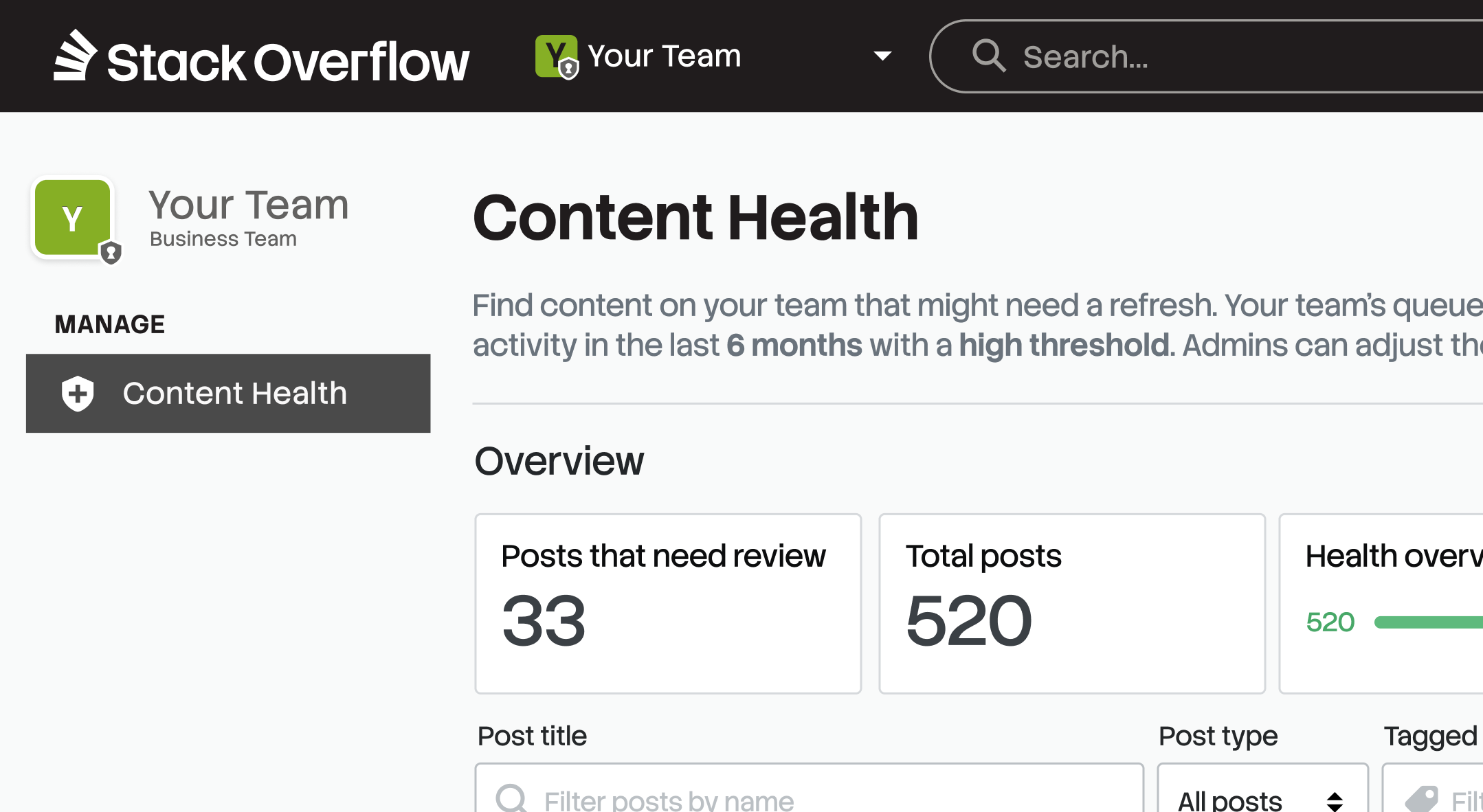
- compared to static pages of documentation (e.g. Confluence) - the nuggets of knowledge are much more piece-meal, and it's easier to keep them up-to-date (through swarming and reminders about the Content Health review),
- Articles serve the purpose of longer pieces of documentation quite well.
Also, the initial implementation was pretty painless - as always, the biggest challenge was to make the organizational change happen, so the content starts to appear there, and engineers ask questions and search for answers in SOfT first. Review collected by and hosted on G2.com.
The main problem I see is that we didn't really find a way to make SOfT work well for how-to guides, or more structured knowledge - you can have articles, collections, communities and tags, but it all is not really the same.
The biggest problem is finding something you don't know about that even exists. When you have a starting point for the whole documentation, you learn the concepts you need to be aware of. With the question/answer approach, it's not really possible because you don't know that you need to even ask about something or search for a specific question. Review collected by and hosted on G2.com.
At G2, we prefer fresh reviews and we like to follow up with reviewers. They may not have updated their review text, but have updated their review.
The reviewer uploaded a screenshot or submitted the review in-app verifying them as current user.
Validated through LinkedIn
This reviewer was offered a nominal incentive as thanks for completing this review.
Invitation from G2 on behalf of a seller or affiliate. This reviewer was offered a nominal incentive as thanks for completing this review.