
Affordable implementation – The low-code platform drastically reduces development costs by eliminating the need for expensive IoT developers, allowing teams to build solutions in-house.
Seamless legacy device integration – It effortlessly connects outdated equipment using protocols like Modbus and MQTT, saving money on hardware upgrades.
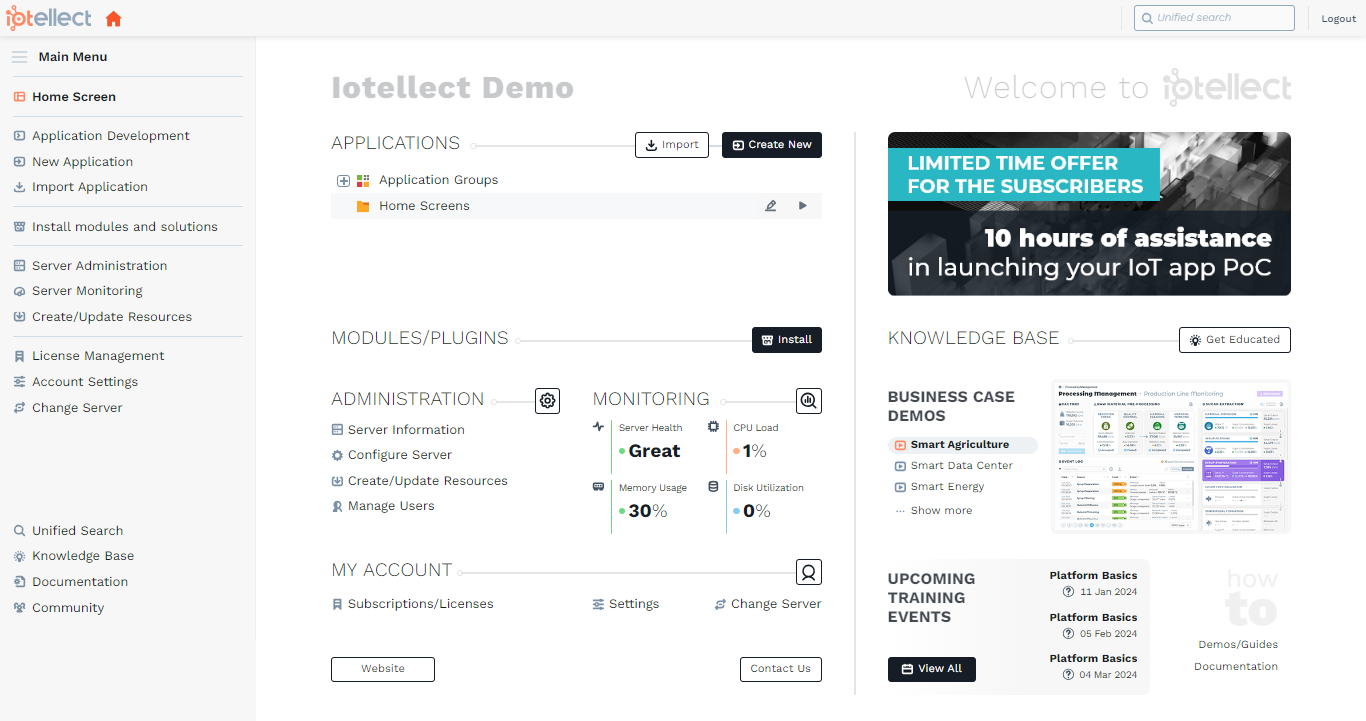
Intuitive interface with strong support – Even non-technical users can deploy solutions quickly, backed by responsive support for troubleshooting and other stuff.
Predictable pricing – Transparent costs and hybrid deployment options helped us avoid unexpected expenses during initial rollout. Review collected by and hosted on G2.com.
Learning curve for edge systems – Teams without IoT experience may need extra time to master distributed architecture management.
Internet reliance for updates – Some critical features like multi-server synchronization require stable connectivity, which can be problematic in remote areas. Review collected by and hosted on G2.com.