
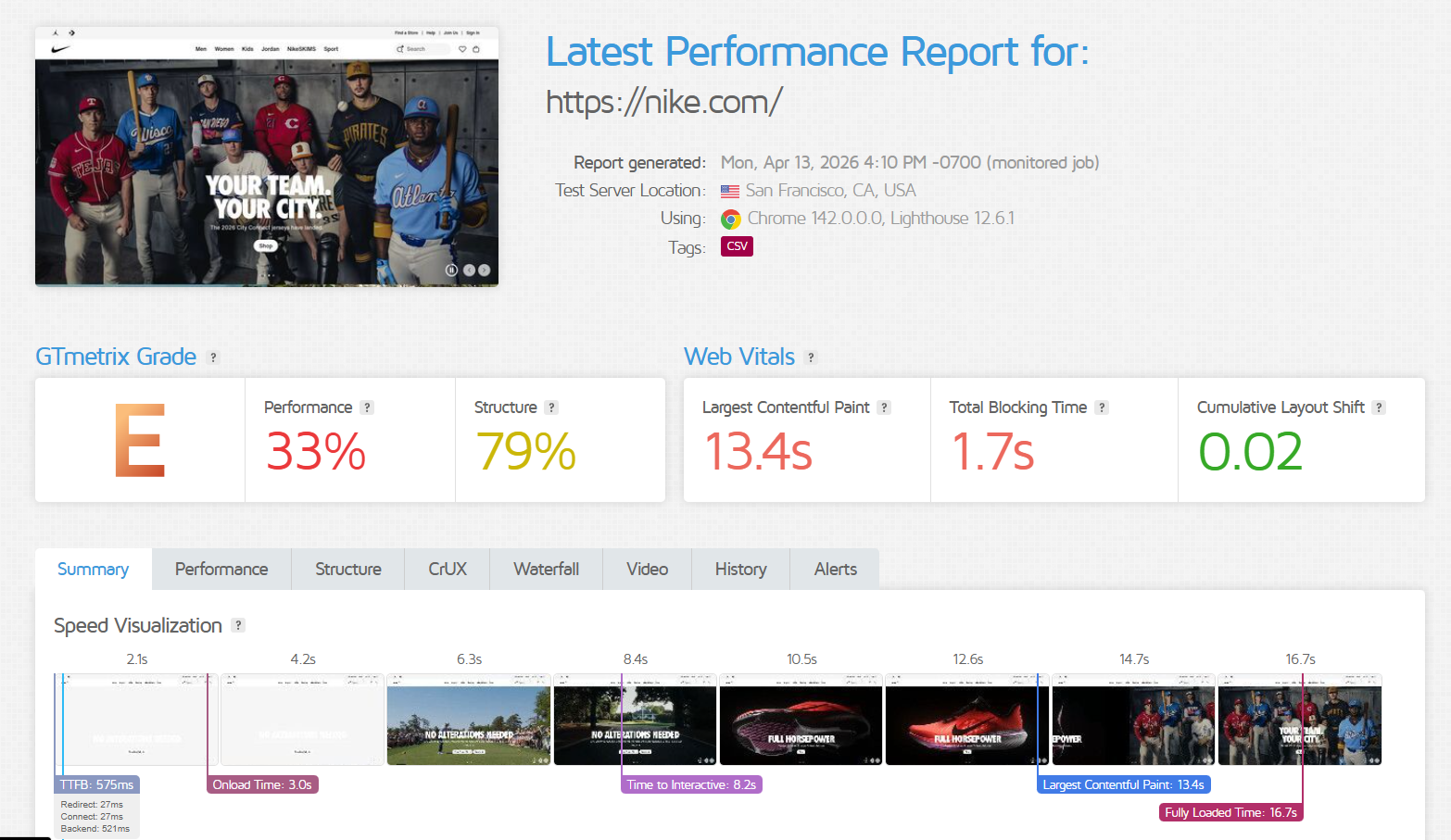



GTmetrix provides a technically robust and visually clear platform for website performance analysis. The tool integrates Google Lighthouse metrics and audits, delivering detailed breakdowns for Core Web Vitals such as Largest Contentful Paint (LCP), Total Blocking Time (TBT), and Cumulative Layout Shift (CLS). The reporting system is structured around two main scores: Performance (derived from Lighthouse) and Structure (a proprietary metric), which are combined into an overall GTmetrix Grade. This dual-score approach gives a nuanced view of both front-end efficiency and structural optimization.
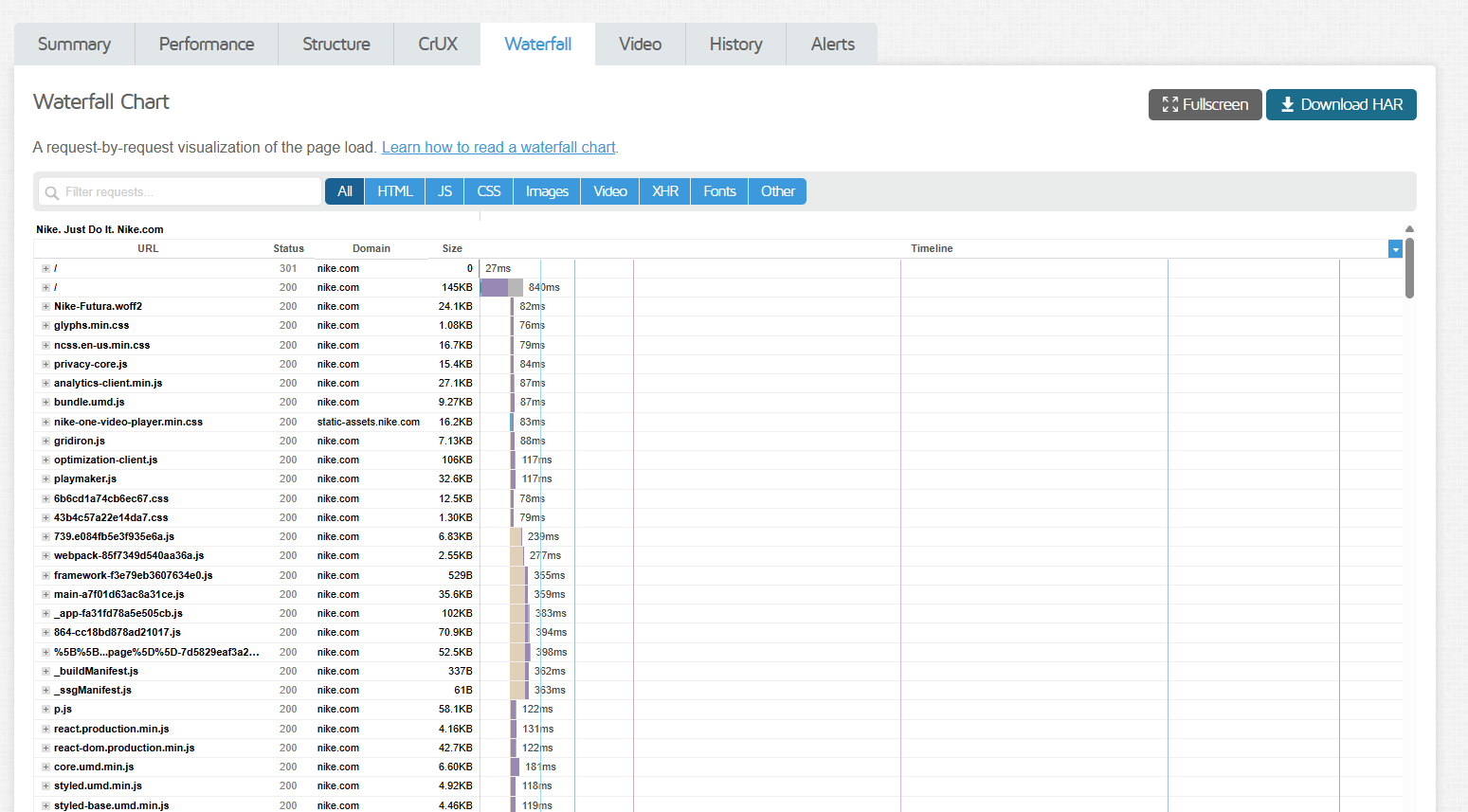
The waterfall chart is especially useful for pinpointing bottlenecks by visualizing the load sequence of every page element, images, scripts, stylesheets, and more. Device and location simulation is another key feature: I can test sites across more than 40 device profiles and 22 global locations, which is essential for understanding user experience variations worldwide. The ability to adjust network speeds and browser types further enhances test realism.
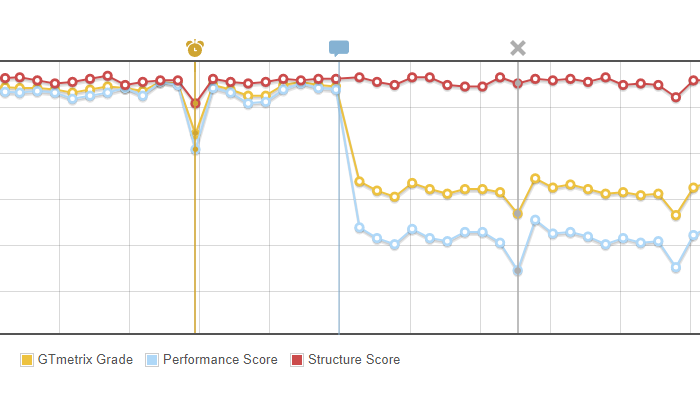
GTmetrix supports historical tracking and monitoring, allowing for scheduled tests and trend visualization over time. Alerting is built in, with notifications triggered by performance dips or failed reports, each linked to detailed diagnostics. The inclusion of CrUX (Chrome User Experience Report) data brings in real-world user metrics, bridging the gap between synthetic and actual visitor experiences.
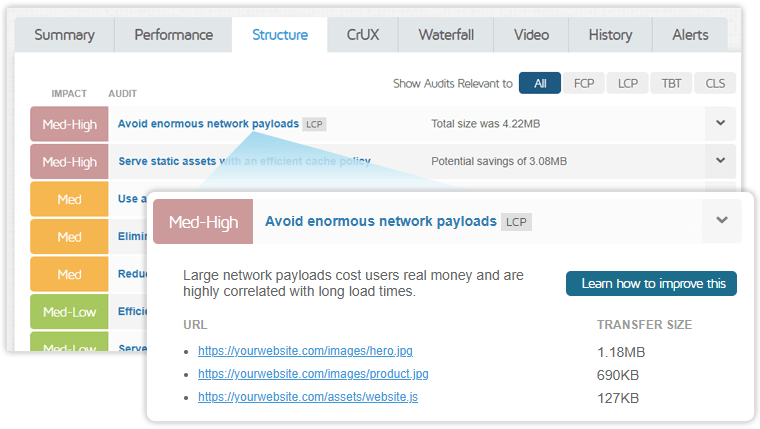
For workflow integration, GTmetrix offers API access, making it possible to automate tests and embed performance checks into CI/CD pipelines. The interface is intuitive, with actionable recommendations prioritized by impact, and visual aids like filmstrip and video playback to analyze rendering and layout shifts in detail. Review collected by and hosted on G2.com.
Backend performance insights are minimal; the focus is almost entirely on front-end issues, so diagnosing server-side or database bottlenecks requires additional tools.
Occasionally, I notice minor inconsistencies in test results due to test server load or network fluctuations, so repeated tests are necessary to confirm findings. Review collected by and hosted on G2.com.