
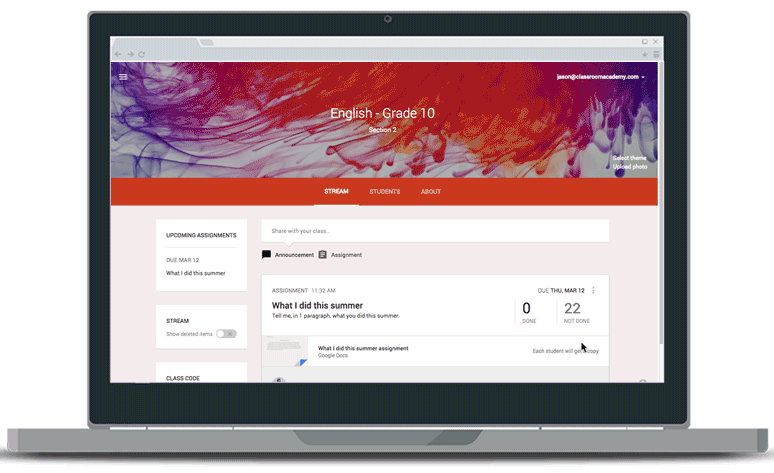
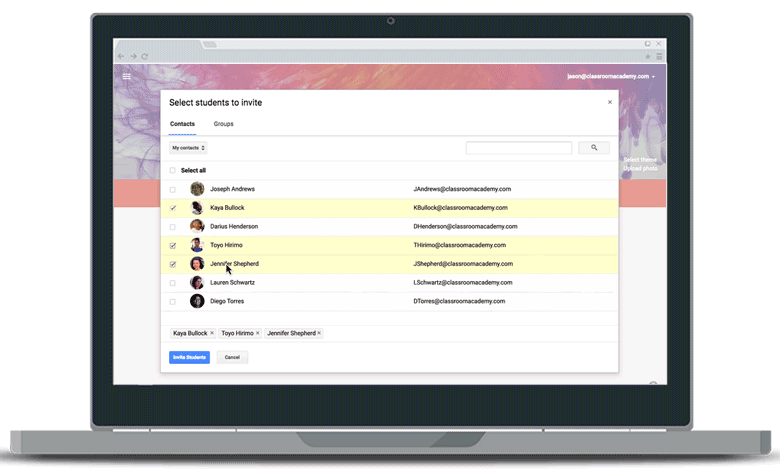
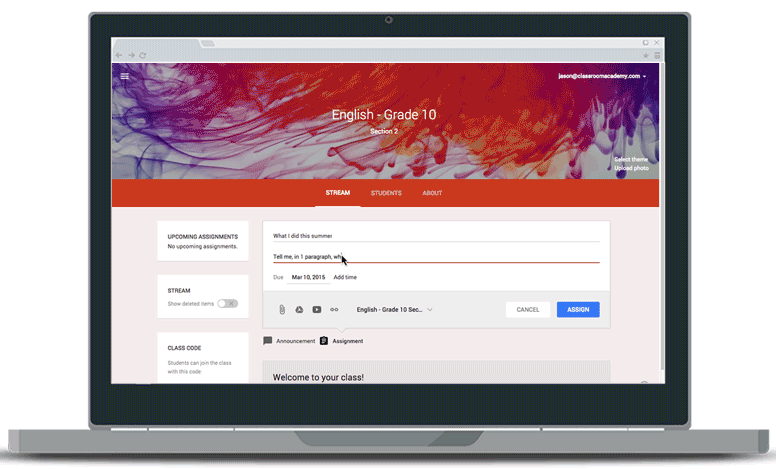

What I like most about Google Classroom is how it simplifies communication and content sharing in a structured way. From my professional perspective, where I’m used to handling technical documentation and coordinating tasks, the platform feels very intuitive for organising information and keeping everything in one place.
It makes it easy to distribute materials, share updates, and track progress without confusion. The integration with Google Drive is especially helpful, as it allows quick access to documents and ensures that everyone is working on the latest version. This is quite similar to how we manage design documents and revisions in engineering workflows.
Another aspect I appreciate is its simplicity there’s no steep learning curve, and it works reliably even for users who are not very technical. While it may not have advanced workflow or customisation features, for structured communication and content management, it does the job efficiently and keeps things organised. Review collected by and hosted on G2.com.
One limitation I’ve noticed with Google Classroom is that it works well for basic organization and communication, but it lacks depth when it comes to handling more structured or complex workflows. From a professional standpoint, where tracking revisions, managing multiple dependencies, and maintaining detailed documentation are important, the platform feels a bit limited.
For example, there is minimal support for advanced tracking or version control compared to tools used in engineering or project environments. Managing large volumes of content over time can also become slightly difficult, as navigation and categorization options are not very flexible.
While it performs reliably for its intended purpose, it doesn’t fully support more detailed process management or customisation needs that are often required in professional or technical workflows. Review collected by and hosted on G2.com.