


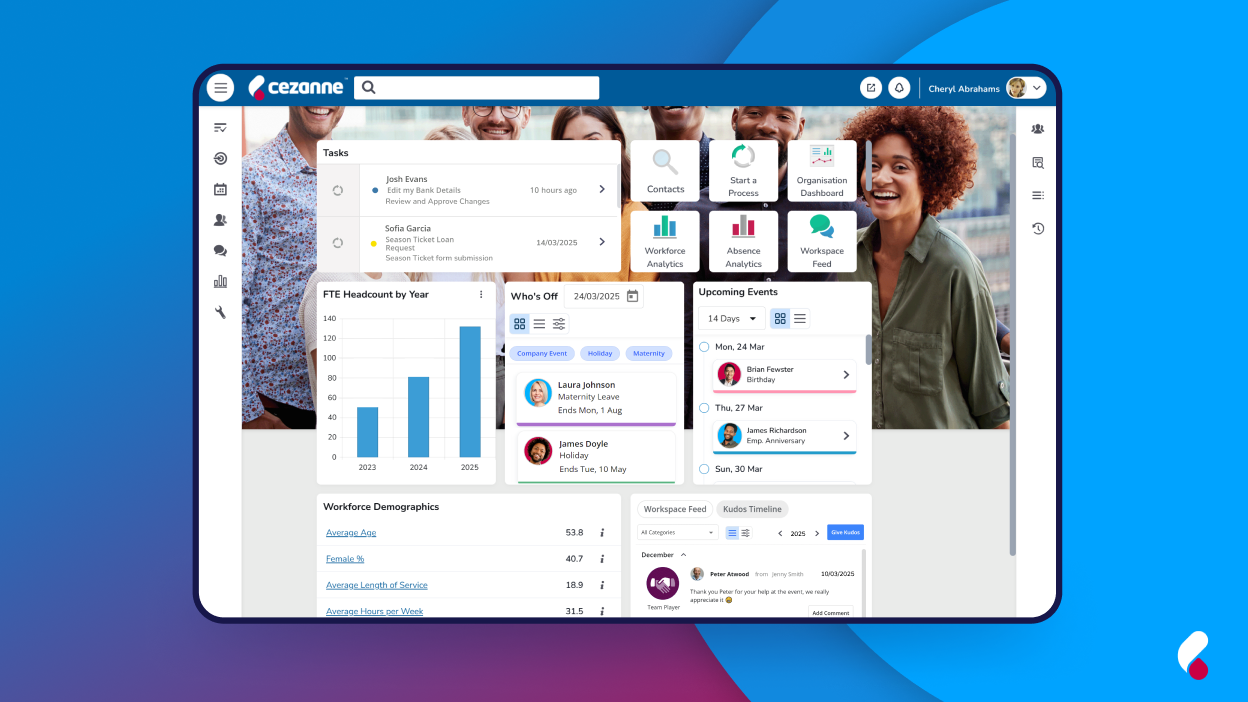
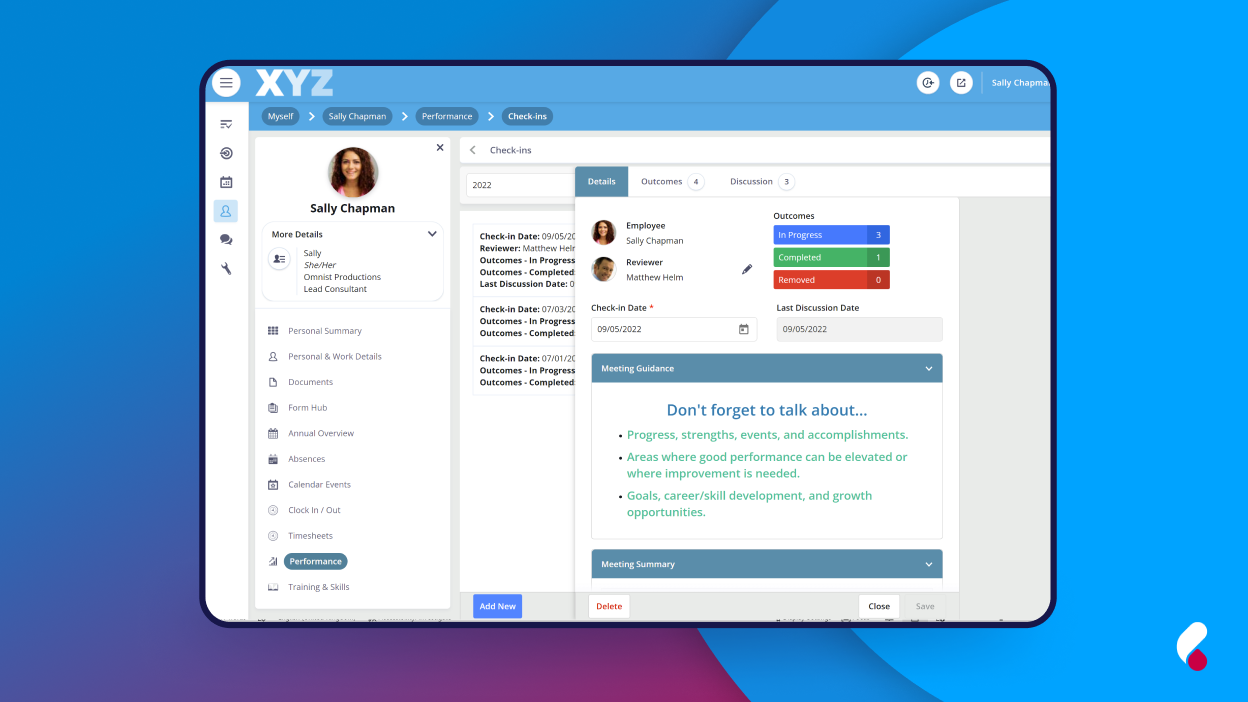
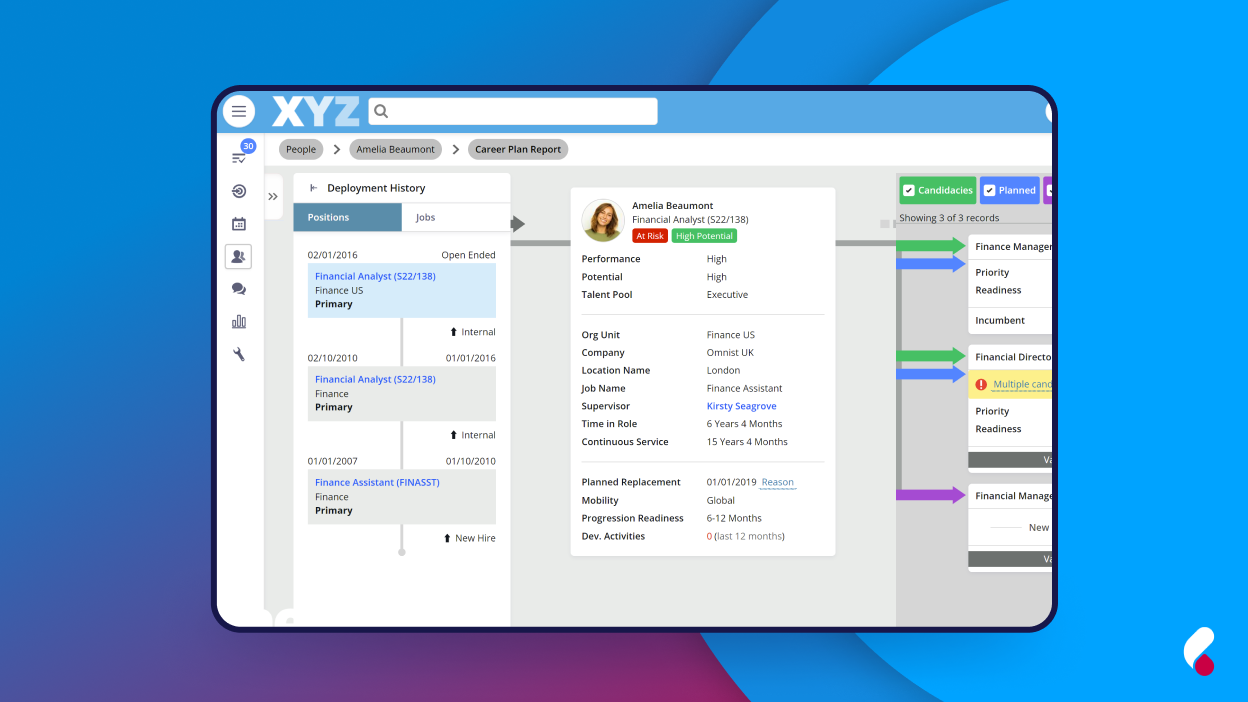
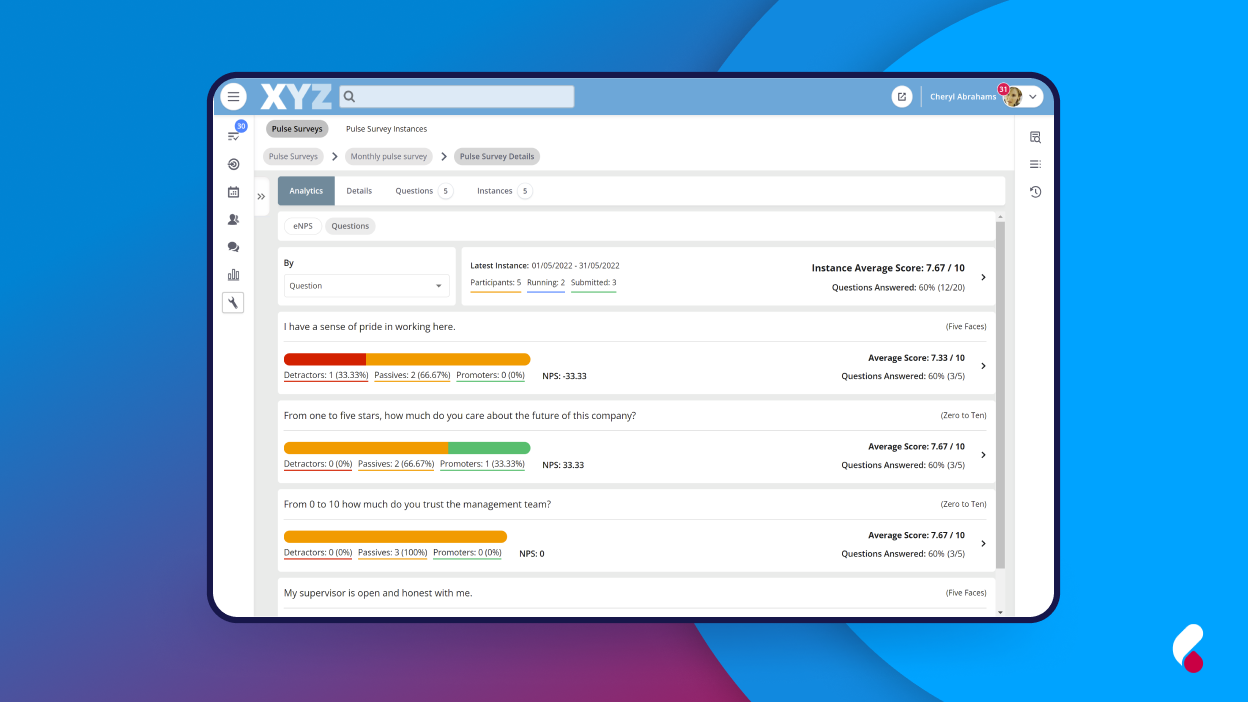

Cezanne HR provides a broad and configurable platform that supports the full employee lifecycle. The Form Hub is a strong feature that enables structured, multi-stage workflows that align with internal processes rather than requiring workarounds. The flexibility across fields, approval routes, and security roles had made it well suited for our organisation that operates across multiple regions.
From an operational perspective, and once configured properly, it can reduce manual administration. Approvals, absence tracking, and employee updates are more standardised and require less intervention. Centralising data has improved reporting consistency and has reduced reliance on spreadsheets.
Integrations are effective for standard use cases such as SSO, and the API provides good access to underlying data for more advanced reporting and system integrations. More complex use cases are not entirely plug and play and require technical input, but the capability is there.
In terms of performance, it is generally stable for day to day use. There are occasional instances where UI responsiveness could be improved, particularly when navigating between pages, but this does not materially impact overall usability.
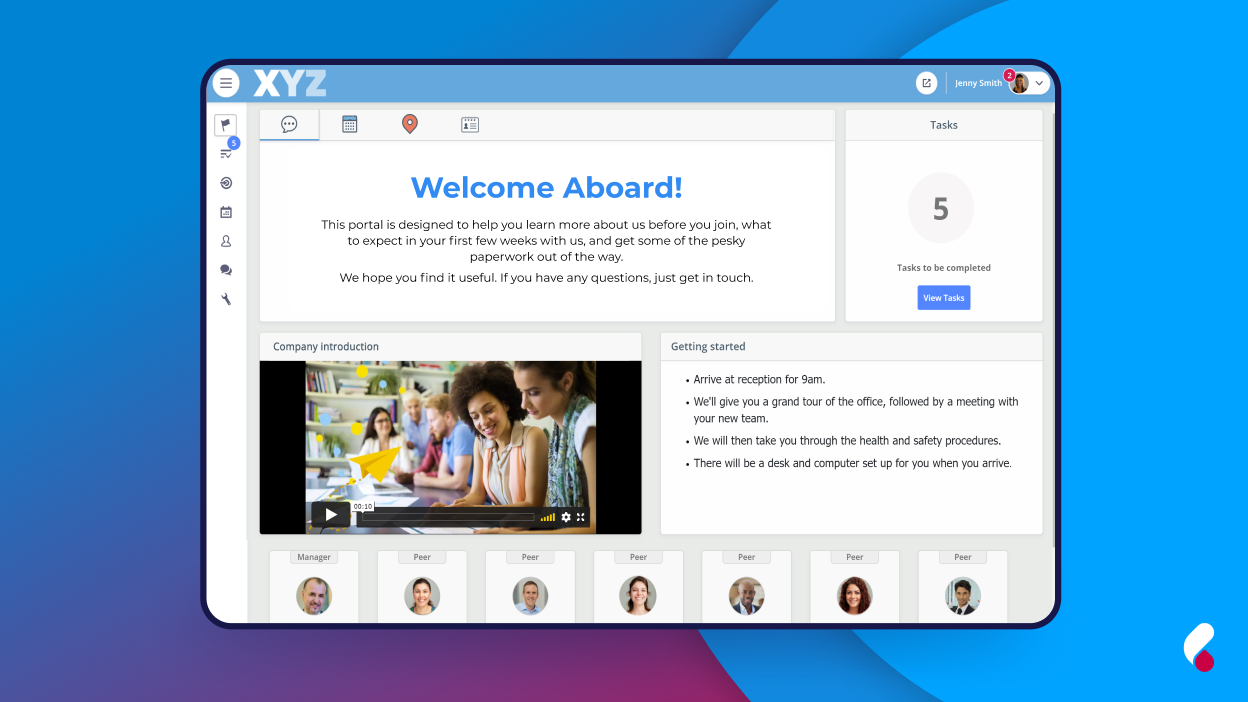
Support has been consistently strong. The support team are responsive and technically competent, and queries are handled efficiently. Engagement with Neil in particular has been effective. Onboarding and more recent regional rollout activity have been positive and provided a solid foundation, with ongoing support contributing to continued system optimisation.
From a pricing perspective, Cezanne sits at the lower end compared to other systems evaluated. It can deliver a reasonable return through process efficiency, automation, and improved data management. Review collected by and hosted on G2.com.
While Cezanne is flexible, that flexibility comes with a level of complexity. Initial setup and ongoing configuration require a good understanding of the system, and without that, it’s easy to underutilise key features or create inefficiencies in how processes are built.
The user interface could be more intuitive in places. Navigation is not always as streamlined as it could be, particularly for less frequent users, and some areas of the system require multiple clicks to complete relatively simple tasks.
Performance is generally stable, but there are occasions where page load times and responsiveness could be improved, particularly when moving between sections or working with larger datasets.
Reporting, while functional, can be limiting without using the API or exporting data externally. For more advanced reporting needs, additional tools or technical input are often required.
None of these are blockers, but they are areas where the system could be refined to improve usability and reduce the reliance on internal expertise. Review collected by and hosted on G2.com.