



This is software that is very industry-standard in the building engineering field. There are some newer programs, like AutoCAD Revit, being used, but in electrical work it can be more of a pain than it is in AutoCAD.
I’ve been doing this for 26 years as an electrical engineer, starting with AutoCAD 14, which was the first real version similar to what we have now. It’s both a simple and a complicated tool for drafting electrical plans. What I mean by that is there’s more than one way to skin a cat, and in AutoCAD there are many ways to achieve the task you’re trying to do.
I took one of those adult school classes on AutoCAD, which was okay, but what they teach you is the most basic tools and the common tasks done in 2D and 3D. We only draft in 2D. In the classes they focus on the most common drawing tools—circles, lines, and arcs—and the variations of these basic shapes are what make up anything you will ever need to draw for the 2D drafting required in an electrical, building-permit-ready plan.
Before the MEP version, we would use the light version or the full architectural version. In those previous versions, MEP had to make all their own blocks of items shown. Panels, switches, and receptacles were all hand-drawn when needed, and then we would build our own libraries of symbols the way we like to see them on our plans. With one click on “Insert,” you’d be in a folder full of these symbols and pieces you had painstakingly drawn already and then made into blocks. That’s still wonderful if you already have that library built.
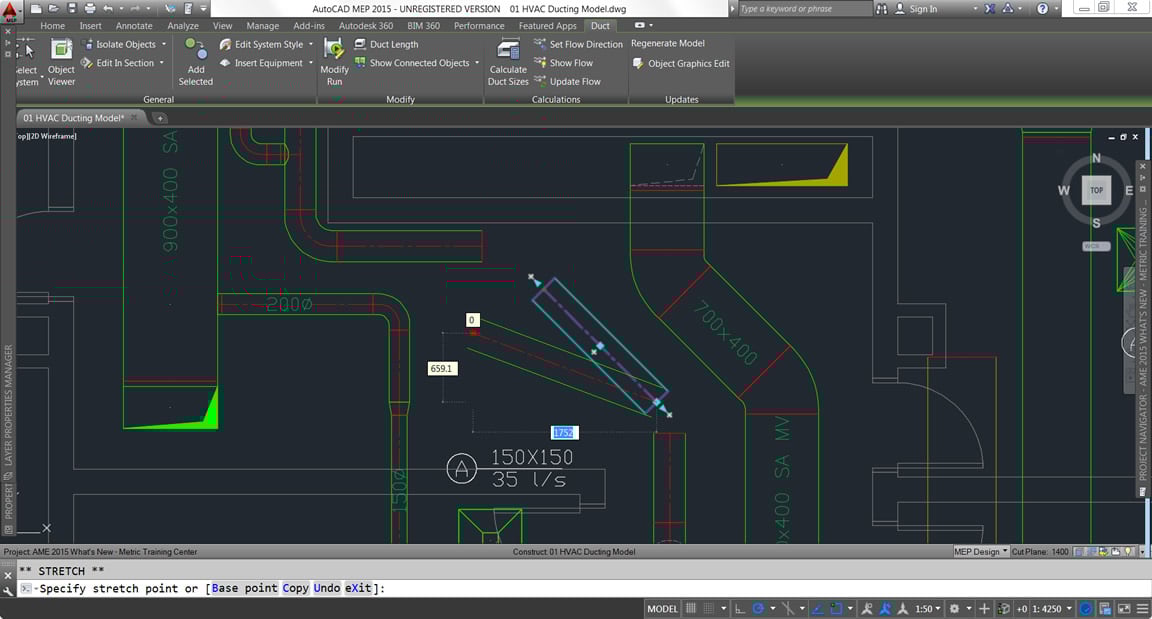
In this version, they’ve created a special version that has more of the BIM features, like auto-wiring, automatically creating panel schedules, and home runs automatically. A lot of the automated processes that BIM has are built right into this special MEP version. So if you are new to drafting and do any of these disciplines as a student, or you’re just learning the engineering craft, these features can add a lot of easier ways to see what standard documentation would look like instead of having to do it all from scratch.
If you are a seasoned professional, you may find some of these automations nice to use. Even if you don’t, it has a lot of special drag-and-drop features that do save you from copying, rotating, and moving. They used to have a command (and MOCORO) that was to move/copy/rotate, because in CAD, in the electrical disciplines, you would be doing that all day.
It’s really not that much more than the actual light version that engineers typically buy, but it has all the full features the standard full architectural version will have. Those features are mostly helpful in sheet setup and manipulating backgrounds for sheets.
I have used all the versions, and the MEP version I have used. For someone with as many years in it as I do, I already have all my block libraries. Review collected by and hosted on G2.com.
You know AutoCAD is very good. However, the standard version involves a lot of clicking, selecting, moving, and rotating. After a while you get used to it and you get the job done. This version has a more intuitive engine that will move things against the walls automatically and rotate as needed.
That feature is both good and bad. Sometimes it snaps to the wrong side of the wall and you end up futzing with it until it feels like you have to force it to do what you want. Honestly, it’s the little new tools they add that annoy me the most. When a command is new, it can be buggy and more fiddly than you want it to be, and they usually fix it in the next version.
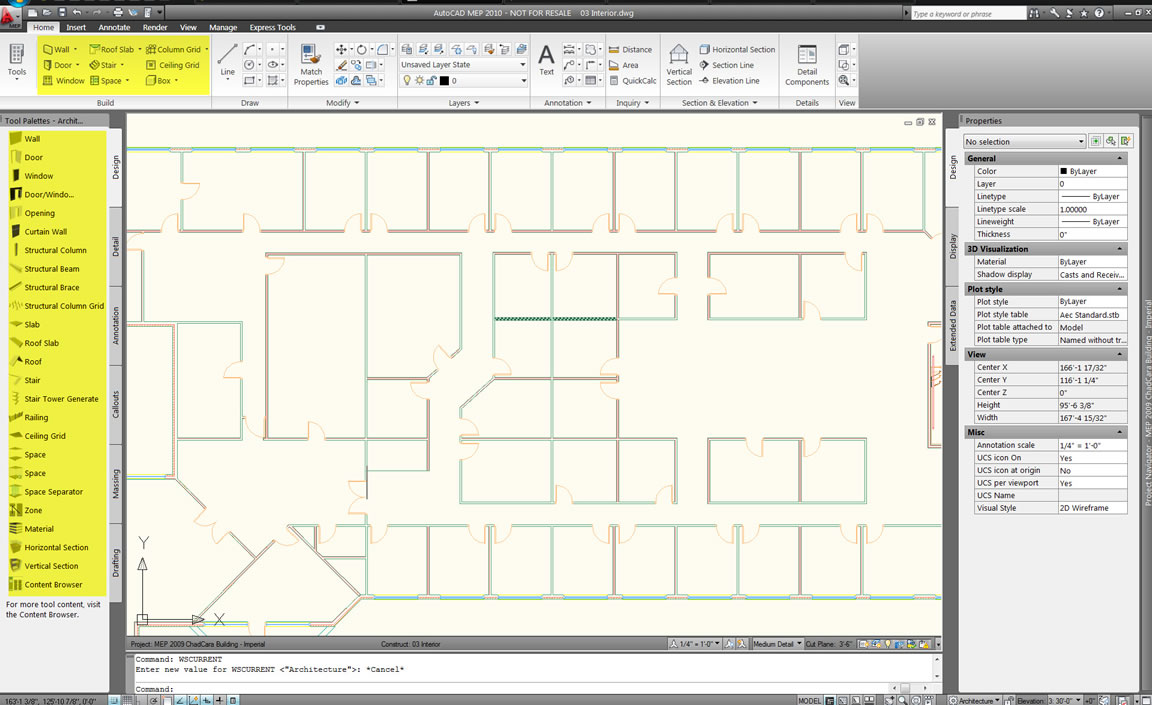
The biggest thing I hate now is that every version has something new about it. After using it for so many years, I like the classic menu. You can force it to be more like it was, but the default is the ribbon, and if you don’t have a profile to import it can be difficult to get it back to the way it once was. With older versions, you really had to set things up to match the way you draw, and after years and years of that I basically just copy and go straight to the buttons without thinking. But if it’s a new install on a new machine and I don’t have my profile, it’s like using a pencil with your left hand when you’re a righty. Yes, it can be done, but it takes time to relearn that muscle memory. If you’re an old, seasoned veteran of AutoCAD, you know what I’m saying.
Even the icon changed to look more cartoony in a couple updates, and readjusting to the look takes time. For new people coming up, it’s not a big deal because you’re probably used to the newer versions and you’re just learning the look anyway. But give it a few updates and wait until the one that changes on you when you’re used to a certain way—it becomes a pain to relearn.
I just hate when it changes in newer versions. Yes, the newer versions are more intuitive and usually have good commands, but it’s the time it takes to get everything set up again so you can really use it fast that frustrates me. Review collected by and hosted on G2.com.