



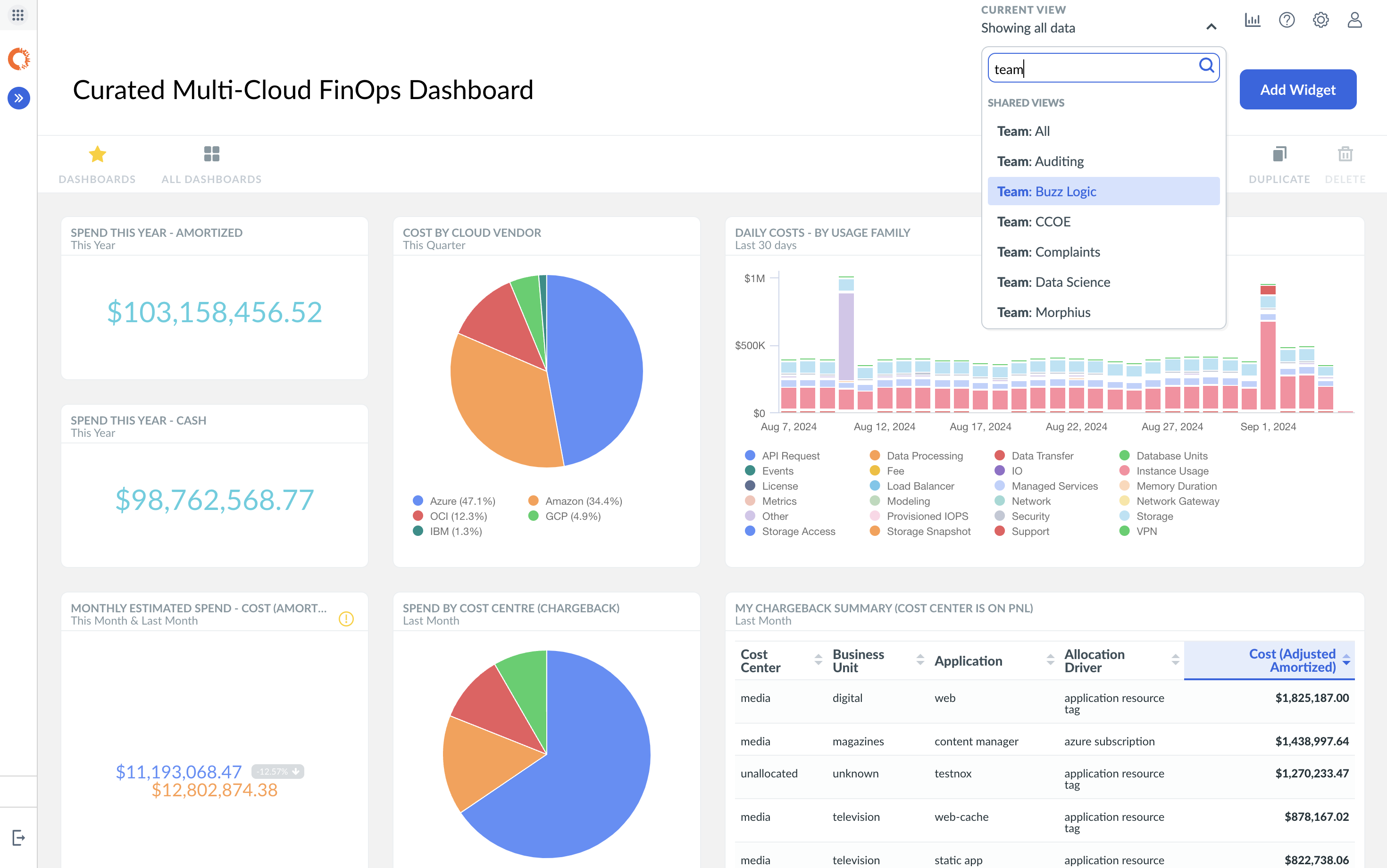



1. Strong chargeback/showback capabilities: Tag- and account-based allocation makes it easier to attribute spend to applications and teams, improving accountability and accelerating cost conversations.
2. Flexible reporting and drill-down: The ability to pivot by service, account, region, and time—and drill from a high-level view into specific cost drivers—supports both executive summaries and engineer-level troubleshooting. Review collected by and hosted on G2.com.
1. Better Kubernetes (EKS) cost attribution and optimization: More accurate split of node/pod costs (including system/daemonset overhead), idle capacity, and actionable recommendations such as cluster autoscaler tuning, bin-packing opportunities, and identifying over-requested CPU/memory at namespace/workload level.
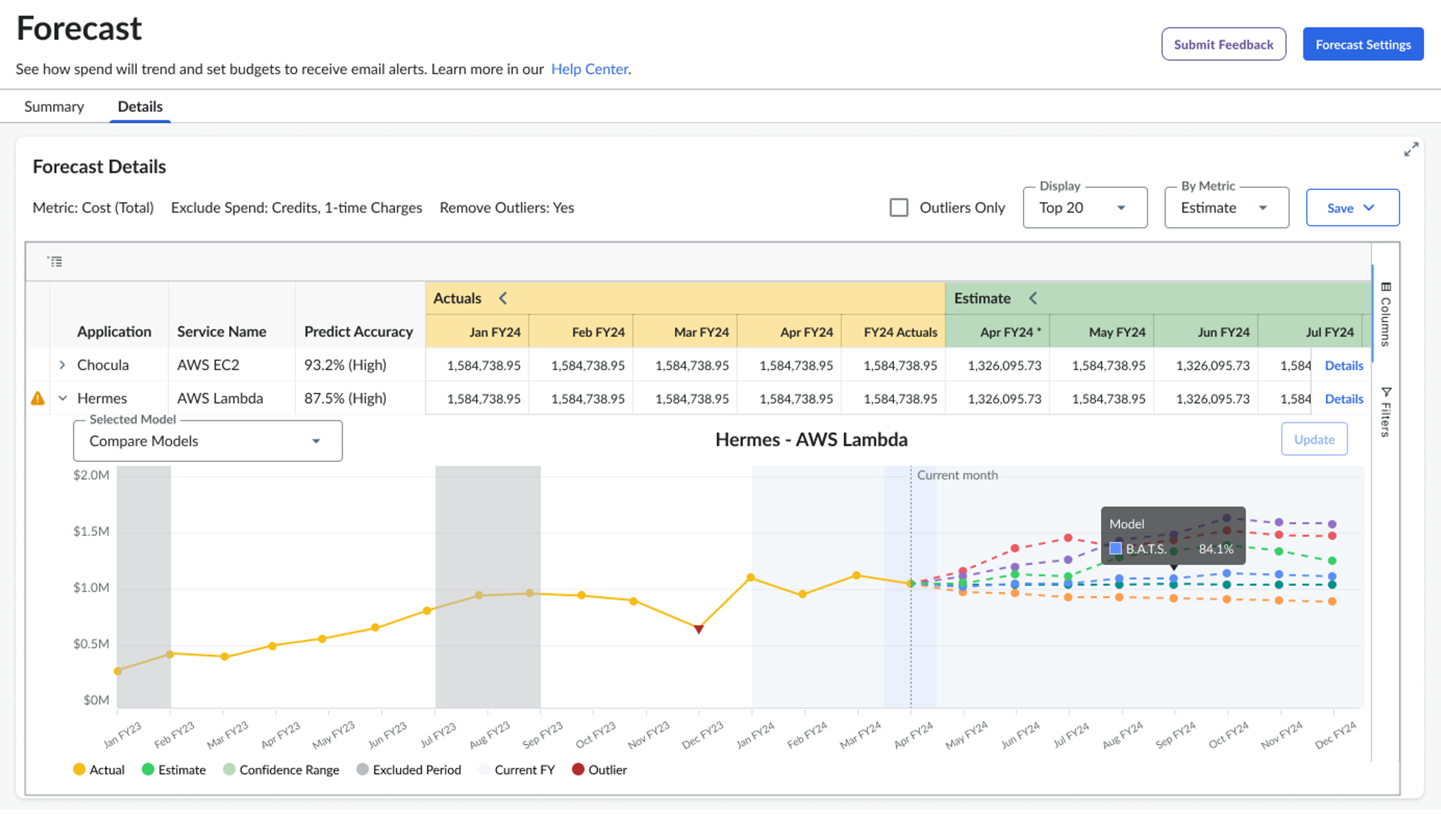
2. Coverage-aware recommendations (RI/SP + discounts): When suggesting rightsizing or shutdown, automatically factor in Savings Plans/Reserved Instances, tiered pricing, and enterprise discounts so the “net savings” reflects what will actually change on the bill (and flags when a change might strand commitments).
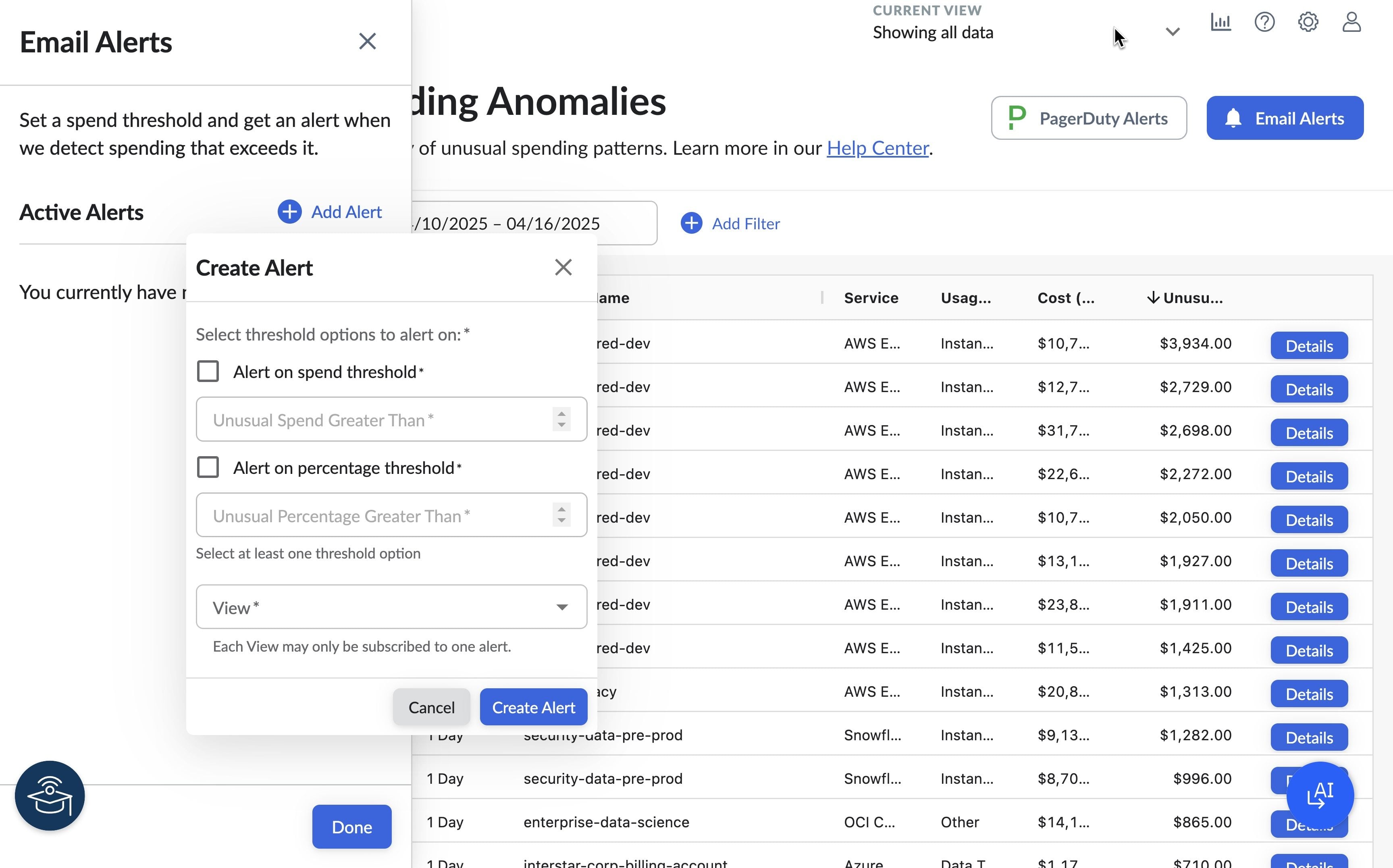
3. Anomaly detection with root-cause hints: Stronger proactive alerts that not only detect spikes, but also suggest likely drivers (new tag/app, new account, specific service/API usage, data transfer path) and link directly to the underlying resources and change window.
4. Automation capability: Enable automation capabilities to implement rightsizing recommendations automatically. Review collected by and hosted on G2.com.